

Disclosure: This page contains affiliate links. If you purchase through these links, Rental Home Automator may earn a commission at no additional cost to you. As an Amazon Associate I earn from qualifying purchases.
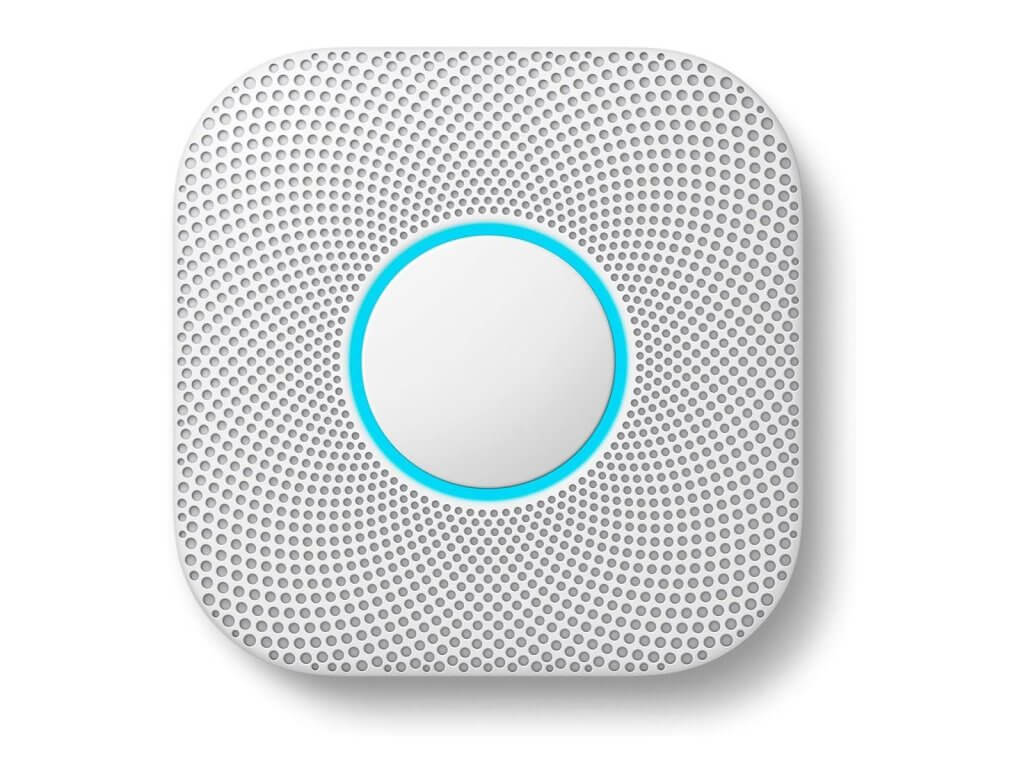
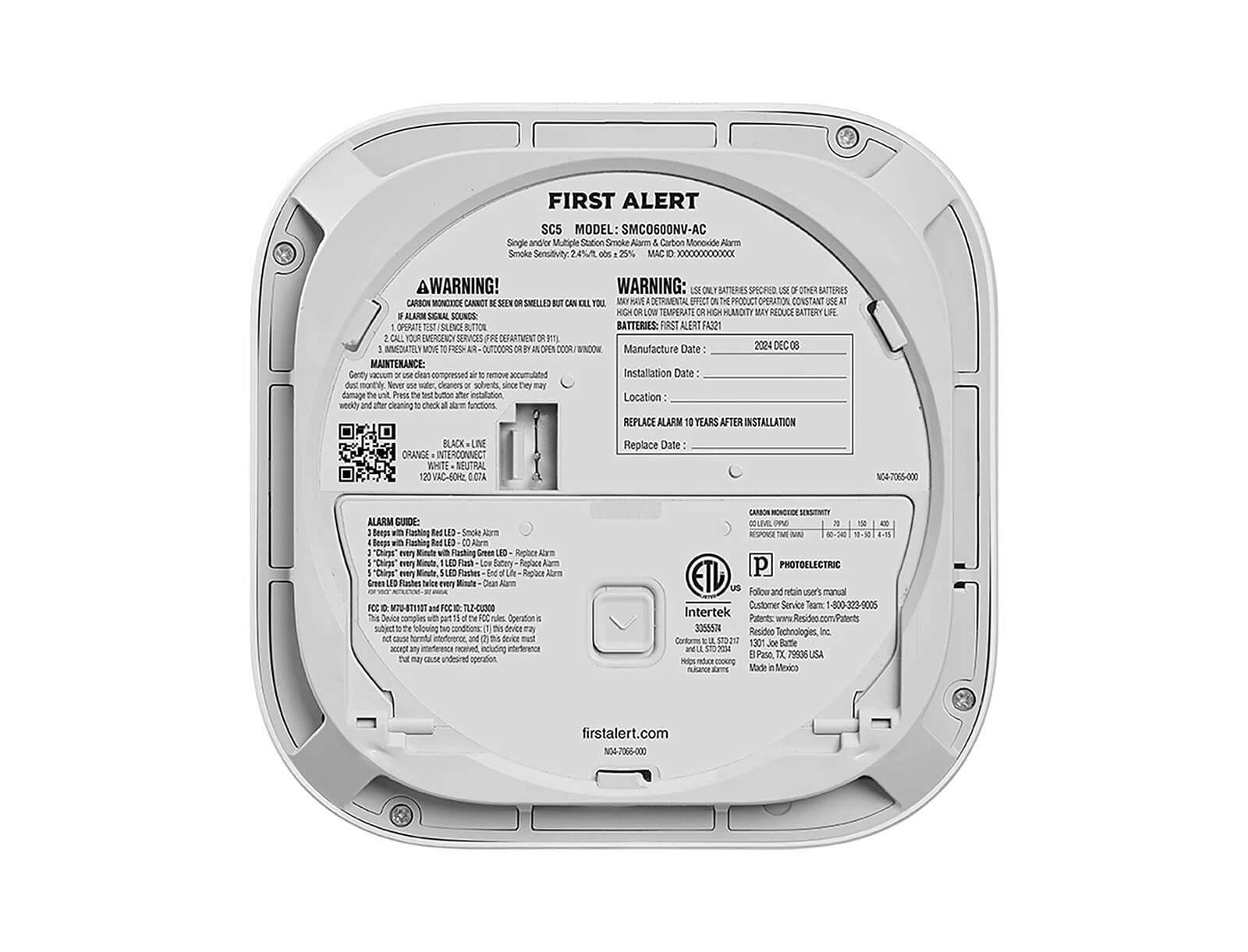
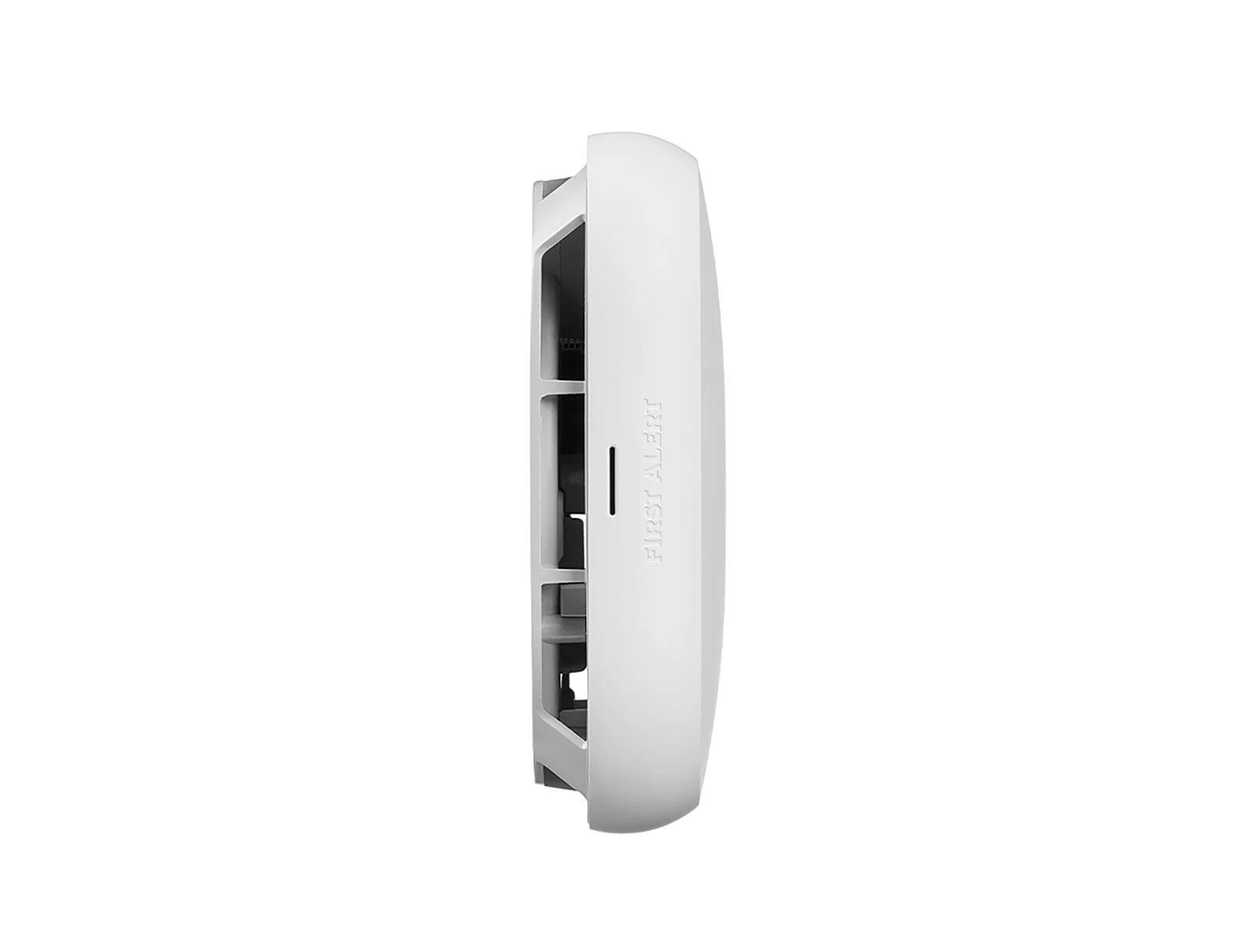
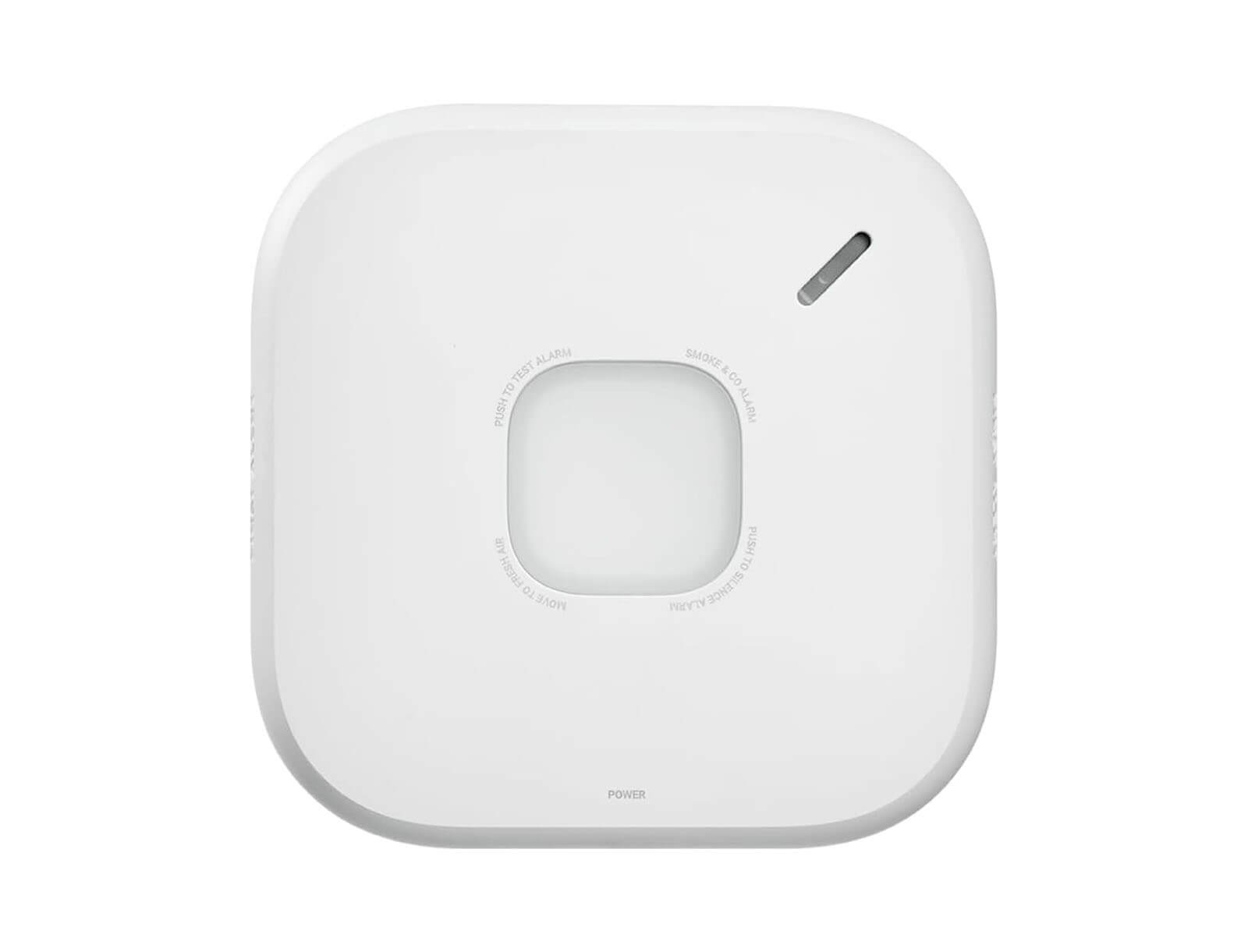
First Alert SC5 Smart Smoke and Carbon Monoxide Alarm
The First Alert SC5 Smart Smoke & Carbon Monoxide Alarm is a capable successor to the discontinued Google Nest Protect, but after approximately a year of real-world testing, we are no longer recommending it for short-term rentals.
That’s a change from our original review.
On paper, the SC5 makes a lot of sense.
It combines smoke and carbon-monoxide detection, voice alerts, remote notifications, interconnected alarms, and app-based monitoring in a device specifically positioned as the replacement for Google Nest Protect.
First Alert also offers both hardwired and battery-powered versions.
We’ve had three hardwired SC5 alarms installed at one of our properties for roughly a year, which has given us enough time to see how they behave outside a controlled test environment.
Unfortunately, we’ve started seeing enough problems that we’re no longer comfortable calling them one of our Recommended devices.
The biggest concerns have been:
- Alarms randomly showing offline
- Smoke notifications we could not corroborate at the property
- Wi-Fi-only connectivity
- No SmartThings integration
- Dependence on a separate app ecosystem
- High cost compared with conventional alarms
- Unusual batteries in the battery-powered model
The SC5 isn’t a bad smoke alarm.
We simply don’t think its “smart” features provide enough value to justify the extra complexity and cost for most short-term rentals.
A Logical Successor to Google Nest Protect
When Google discontinued the Nest Protect, there weren’t many obvious replacements.
The Nest Protect had several features we liked:
- Remote smoke and CO notifications
- Voice alerts
- Interconnected alarms
- App monitoring
- A relatively polished user experience
The First Alert SC5 was designed specifically to fill that gap.
First Alert even supports integration with existing Nest Protect alarms, allowing owners to transition gradually rather than replacing an entire property at once.
That’s one of the reasons we were initially optimistic about the SC5.
For someone with aging Nest Protect alarms, the First Alert product is one of the most direct replacements available.
Our Experience After About a Year
We installed three hardwired SC5 alarms at one of our properties and have been running them for approximately a year.
Most of the time, they work exactly as expected.
They’re interconnected.
The app provides remote status.
We receive alerts.
And the basic smoke and carbon-monoxide alarm functionality is packaged into an attractive, modern device.
Unfortunately, we’ve also started seeing some behavior we don’t want from equipment this important.
We’ve Seen Random Offline Events
One recurring problem is alarms unexpectedly showing offline.
There hasn’t always been an obvious reason.
The property Wi-Fi is operational, other devices remain connected, and then one of the SC5 alarms may suddenly appear unavailable.
It may eventually reconnect without intervention.
For a normal smart-home gadget, occasional connectivity issues are annoying.
For a device whose main “smart” benefit is the ability to tell us remotely whether something is happening at a property, losing connectivity undermines the reason we paid for the connected model in the first place.
That doesn’t mean the physical smoke alarm stops functioning locally when the Wi-Fi connection is lost.
But it does mean we can’t depend completely on the remote-monitoring layer.
More Concerning: Apparent False Smoke Alerts
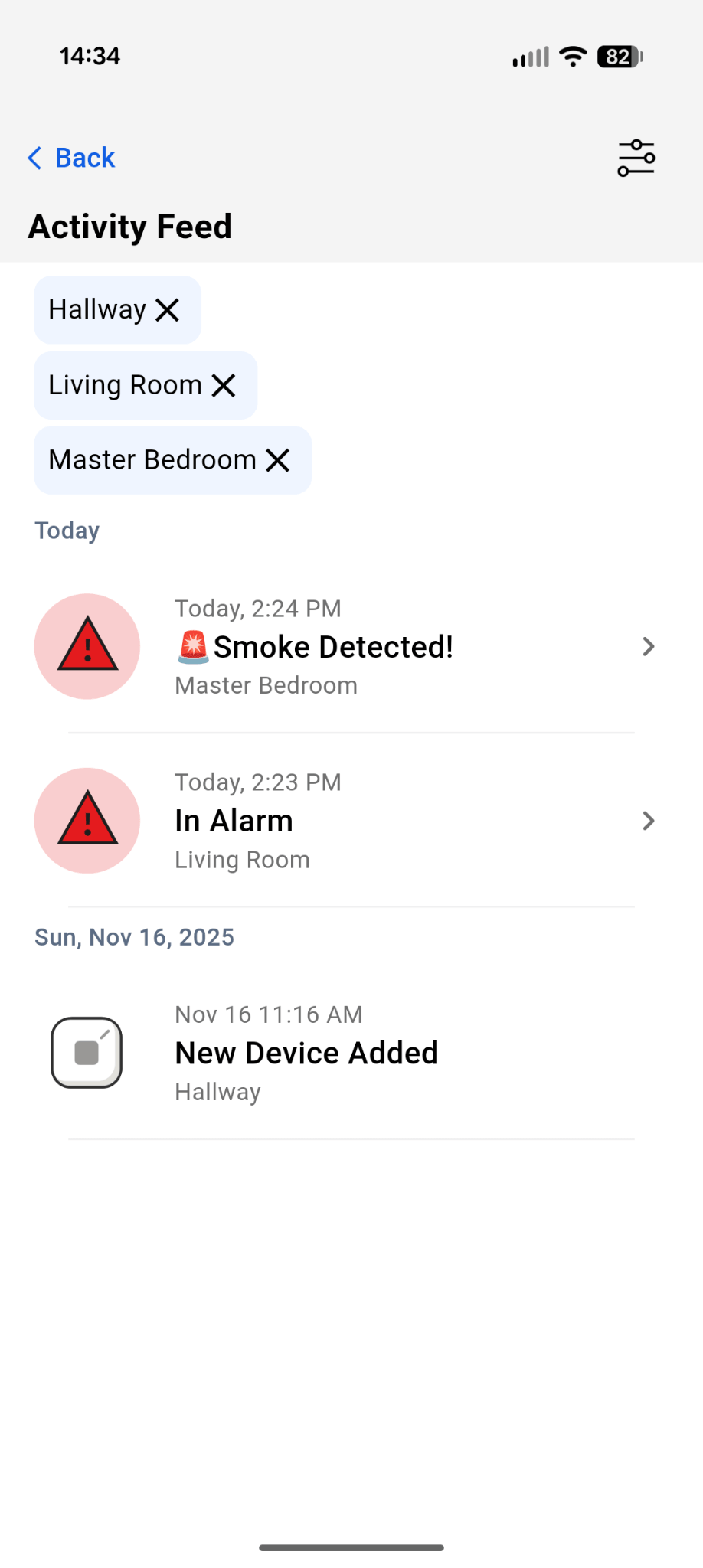
The more concerning issue has been smoke alerts that we haven’t been able to verify.
We’ve received notifications indicating that smoke was detected at the property.
Naturally, we treated those alerts seriously and had someone go to the house to investigate.
They found no visible smoke and not even a noticeable smell suggesting there had recently been smoke in the property.
We can’t prove exactly what the sensor detected at the moment the alert occurred.
It’s possible there was a temporary condition that was gone before someone arrived.
So we’re careful about calling these definitively “false alarms.”
But from a remote property-management standpoint, the result is the same:
We received an emergency smoke notification that required someone to physically investigate, and no cause could be found.
That’s happened enough that it affects our confidence in the system.
First Alert markets the SC5’s Precision Detection technology as helping reduce nuisance alarms. Our real-world experience hasn’t been completely consistent with that promise.
Smoke Alarms Aren’t Devices We Want to Second-Guess
Remote alerts are useful only when you trust them.
If a water sensor reports a leak, we can usually inspect other data or shut off the water while investigating.
Smoke alarms are different.
When the app says there’s smoke at a rental property, we have to treat that notification as real.
We can’t simply assume it’s another nuisance alert.
That means every unexplained smoke notification has operational consequences.
Someone needs to check the property.
And when you’re managing remotely, that can mean waking a local contact, property manager, cleaner, or emergency resource to investigate. Unfortunately our searches online have shown that this doesn’t seem to be uncommon.
That’s a major reason our opinion of the SC5 has changed.
No SmartThings Integration
The SC5 doesn’t integrate into SmartThings.
First Alert previously offered the ZCOMBO, a Z-Wave smoke and CO alarm that could connect directly to SmartThings.
The SC5 took a different direction.
Its connected functions are managed through the First Alert app and Google Home, rather than exposing the alarm directly to SmartThings.
That means the smoke detector becomes another separate system we have to manage.
For a typical homeowner, that may be perfectly acceptable.
For a rental owner trying to centralize locks, thermostats, leak sensors, valves, switches, and other property equipment, we would rather not add another isolated app unless there’s a compelling reason.
The First Alert App Is Fine
We don’t have a major complaint about the app itself.
It provides the functionality we’d expect:
- Alarm status
- Remote testing
- Smoke and CO notifications
- Device information
- Low-battery and replacement notifications
Google Home support also gives former Nest Protect owners a relatively straightforward migration path.
The problem isn’t that the software is unusable.
The problem is that we would rather have smoke and CO status integrated into the same platform monitoring the rest of the rental.
The SC5 doesn’t give us that option.
Battery Choices Are Another Disappointment
There are two versions of the SC5, and the battery configuration is different between them.
The battery-operated SC5 uses six CR123A lithium batteries.
We don’t love that choice.
For rental properties, we strongly prefer standardized batteries whenever possible.
AA and AAA batteries are cheap, widely available, and easy for a cleaner or maintenance person to find locally.
CR123A batteries are common enough, but they’re more specialized and generally more expensive.
Needing six of them for one alarm makes the battery-powered version even less appealing to us.
The hardwired SC5 is different.
Our hardwired units use a built-in lithium backup rather than replaceable CR123A batteries.
That eliminates routine battery changes, although the entire alarm is still ultimately a replaceable life-safety device with a defined service life.
The SC5 Still Has Some Good Features
Despite changing our recommendation, there is plenty to like about the First Alert SC5.
The industrial design is good.
Voice alerts are useful.
The app is straightforward.
It combines smoke and CO detection.
Compatible alarms can interconnect.
Google Home integration makes it a logical path for owners replacing Nest Protect devices.
The hardwired installation is relatively clean.
And First Alert is an established fire-safety manufacturer rather than an unknown smart-home startup.
If someone specifically wants the closest modern successor to Nest Protect, the SC5 deserves consideration.
It just isn’t the direction we’re choosing for our rental properties anymore.
Who Might Still Want the First Alert SC5?
The SC5 may make sense if:
- You’re replacing existing Nest Protect alarms
- You already use Google Home
- You specifically want app-based smoke and CO alerts
- You don’t care about SmartThings integration
- You’re comfortable managing another Wi-Fi device ecosystem
- You value remote testing and alarm status
- You’re willing to pay more for connected alarms
For a normal homeowner, those benefits may outweigh the disadvantages.
For our rental automation strategy, they no longer do.
First Alert SC5 Review
The First Alert SC5 is a decent successor to Google Nest Protect, but we are removing it from our Recommended devices for short-term rentals. Our opinion changed after approximately a year of operating three hardwired SC5 alarms at one property. The alarms generally work, and the connected features are useful. But we've seen units unexpectedly go offline. More concerning, we've received smoke alerts that prompted an on-site investigation where no evidence of smoke could be found. When dealing with fire detection, that's enough to make us reconsider the entire approach. Combine that with Wi-Fi-only connectivity, no SmartThings integration, another manufacturer-specific app ecosystem, high device cost, and six CR123A batteries in the battery-powered model, and the SC5 breaks too many of our normal rules for rental automation hardware. We're not saying the SC5 is unsafe or that owners should remove properly functioning alarms. We're saying that we no longer see enough benefit in making every smoke detector smart to justify recommending this product as part of our preferred rental automation stack.
6/10
Total Score
-
Suitability for STRs5/10Remote alerts are useful, but Wi-Fi dependence and a separate ecosystem are poor fits for our STR stack.
-
Cost6/10Expensive compared with standard alarms or adding one monitoring bridge to an existing system.
-
Reliability5/10Generally functional, but we've experienced unexplained offline events and smoke alerts we couldn't verify.
-
Usability7/10The apps are straightforward, but there's no SmartThings integration and another system to maintain.
The Good
- Smoke and CO detection in one device
- Works with existing Nest Protect alarms
- Hardwired and battery versions available
- Compatible alarms can interconnect
- Voice warnings
The Bad
- We've received smoke alerts we could not corroborate
- We've experienced random offline events
- Expensive compared with standard alarms
- Battery model requires six CR123A batteries
- No SmartThings integration
Other Device Reviews