Water damage is one of the most expensive and destructive risks short-term rental owners face. A single failed hose, loose fitting, or frozen pipe can cause catastrophic damage—especially when a property is vacant between guest stays.
Unlike long-term rentals or primary homes, short-term rentals often sit empty for hours or days at a time. That vacancy window is exactly when water damage becomes most dangerous.
The most reliable way to reduce this risk is automating your water shutoff so water is only on when the property is occupied.
This guide explains what works, what doesn’t, and how to design a water shutoff system that actually protects your rental.
Why Water Automation Is Critical for Short-Term Rentals
Short-term rentals have unique risk characteristics:
- Frequent vacancy between stays
- No one on site to notice leaks
- Higher plumbing usage variability
- Cold-weather freeze risk
- Delayed response times
When water is left pressurized in an empty home, even a short leak can destroy flooring, drywall, cabinetry, and lower levels in minutes.
Water automation shifts protection from reactive to preventive.
Common Water Shutoff Approaches (and Their Limitations)
Before choosing a solution, it’s important to understand why many popular approaches fail in real-world rentals.
Some systems rely on detecting abnormal water flow or moisture and then shutting the water off automatically.
Why this often fails in short-term rentals:
- Showers and heavy water use can trigger false shutoffs
- Guests lose water mid-stay
- Reset often requires the owner’s app
- Guests must contact the host to restore service
False positives during a guest stay are unacceptable—and create worse problems than they solve. If you want to read more about this, read about why we don’t recommend using automatic water shutoffs at your Airbnb.
Some owners rely on cleaners, home-watch services, or property managers to turn water on and off manually.
Why this is unreliable:
- Staff are not always present at checkout
- There are gaps between guests and visits
- Human error and scheduling delays are common
- Leaks can run for hours or days unnoticed
Manual processes fail precisely when consistency matters most.
Not all smart water valves are created equal.
Common failure modes include:
- Reporting state changes without physically moving
- Internal motor failures
- Loss of trust in system status
- Thinking water is off when it isn’t
For something as critical as water control, state accuracy matters more than features.
The Most Reliable Strategy: Calendar-Based Water Shutoff
The most dependable approach is simple:
Turn water on when the property is occupied.
Turn water off when it is vacant.
This removes water pressure entirely during the highest-risk periods.
Key advantages:
- No false shutoffs during guest stays
- No reliance on leak detection timing
- No dependency on staff visits
- Predictable, repeatable behavior
This strategy aligns perfectly with short-term rental operations.
Recommended System Architecture
A reliable automated water shutoff setup includes:
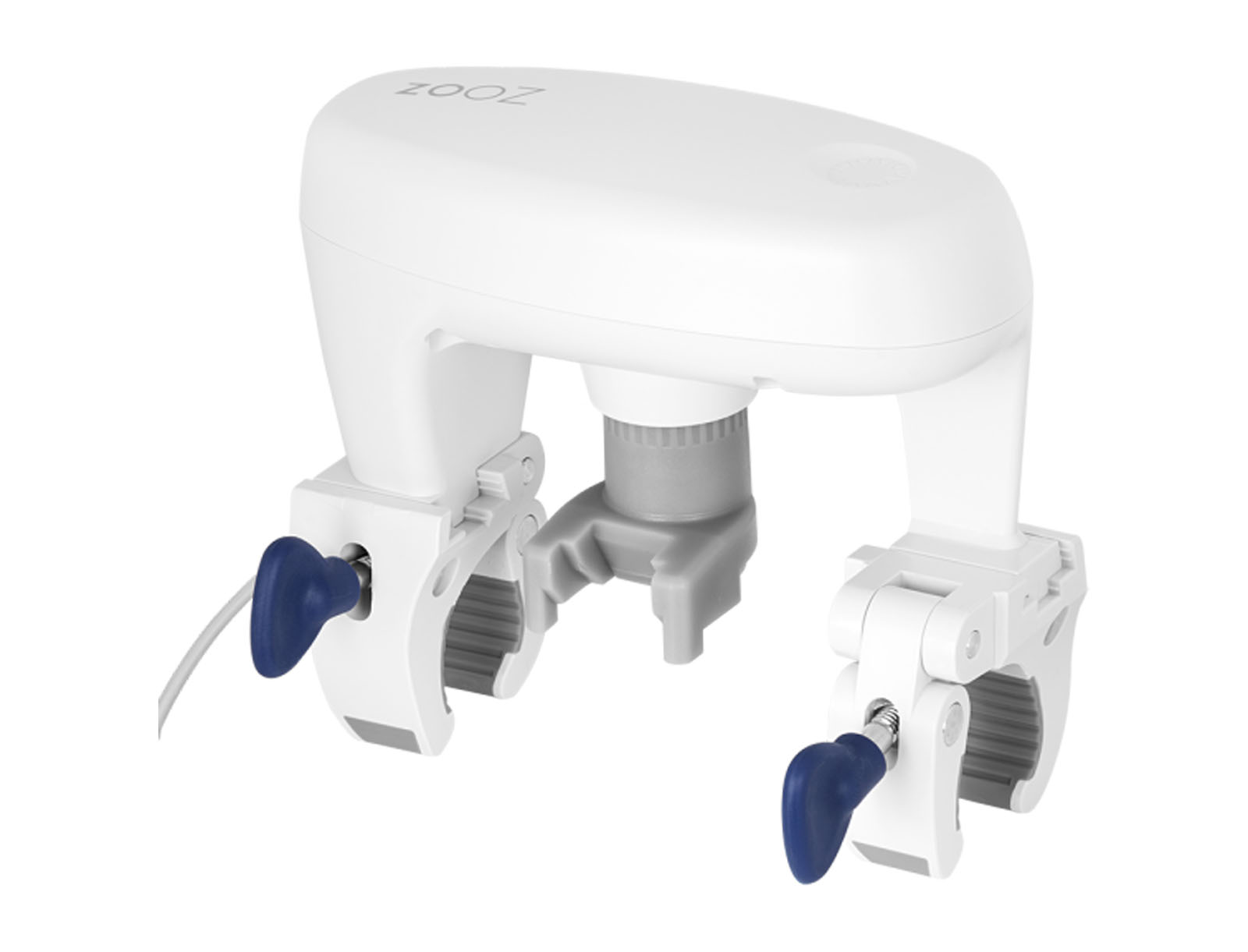
1. A High-Quality External Smart Water Valve
- Installed on a standard quarter-turn main valve
- Mechanically turns the valve on and off
- Keeps smart components outside the plumbing system
- Easy to replace if ever needed
External actuators reduce complexity and simplify maintenance.
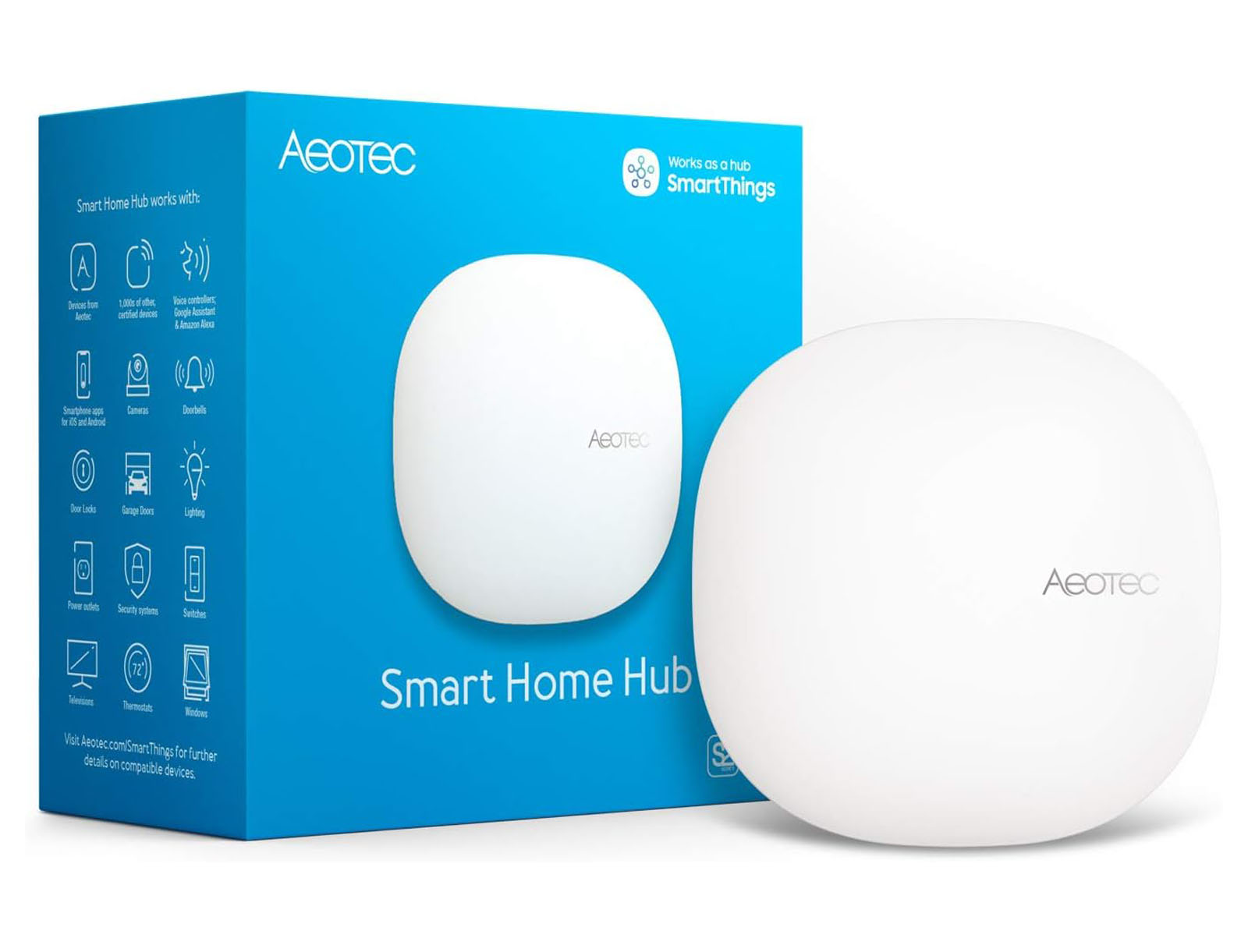
2. A Local Smart Home Hub
- Maintains local device control
- Allows you to use Z-Wave or Zigbee devices
- Supports reliable automation logic
- Integrates multiple device types
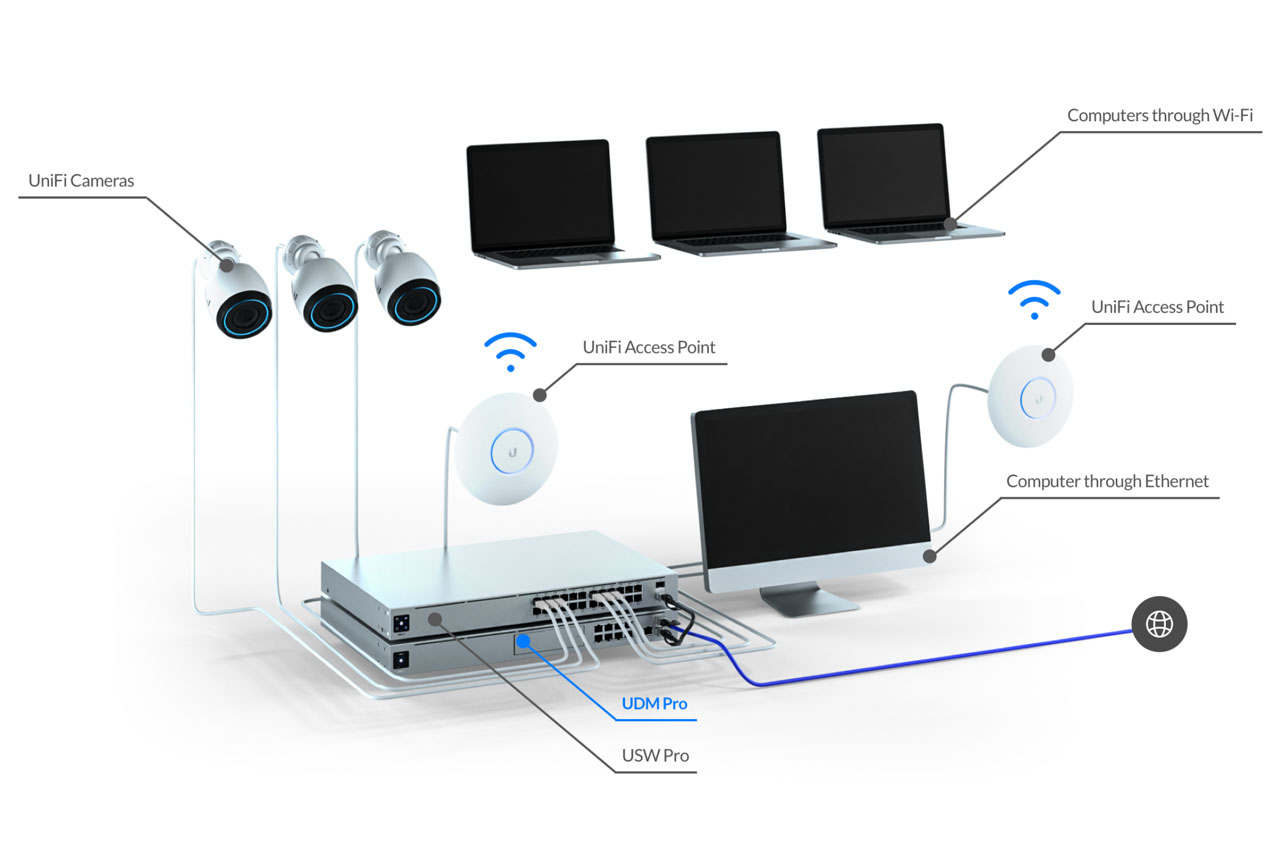
Using a hub keeps things separate from your Wi-Fi network where guests can cause problems.
3. Calendar-Driven Automation Logic
- Booking calendars determine occupancy
- Water automatically turns on at check-in
- Water automatically turns off at checkout
- Cleaning and maintenance windows can be included
This removes human memory from the equation.

What About Leak Sensors?
Leak sensors can be a useful supplement, but they should never be the primary protection.
Limitations include:
- Battery dependence
- Inconsistent battery life
- Devices being moved accidentally
- App or ecosystem lock-in
- Notification delays instead of prevention
Used correctly, leak sensors add visibility—but they should never replace shutting water off during vacancy.

Well Systems vs City Water
If your property uses a private well, water automation becomes even more important.
In these cases:
- Well control automation may be preferable to valve shutoff
- Cutting power to the well prevents pressurization entirely
- Additional protection can be layered downstream
Well-based properties benefit from combining well control + water valve automation.
Why External Valves Are Preferred
Using an external actuator on a standard valve:
- Preserves normal plumbing design
- Avoids cutting pipes
- Simplifies replacement
- Keeps failure modes obvious
- Allows manual operation if needed
This approach favors long-term serviceability over clever plumbing.
How This Fits Into a Fully Automated Rental
When water automation is combined with:
- Smart locks
- Thermostat automation
- Network isolation
- Calendar-aware logic
…the property begins to manage itself safely and predictably.
Water is no longer something you hope is handled correctly—it becomes a controlled system.
Water damage is not a question of if, but when. The difference between a minor incident and a catastrophic loss often comes down to whether water was pressurized when the home was vacant.
Automating your water shutoff based on occupancy is one of the highest-impact safety upgrades a short-term rental owner can make. It eliminates entire classes of risk rather than reacting after damage has already begun.
A properly designed water automation system protects your property quietly, consistently, and without guest disruption.
The safest water system is one that turns itself off when no one is home. Rental Home Automator connects your booking calendar directly to smart water valves and well controls—so protection happens automatically, every time.