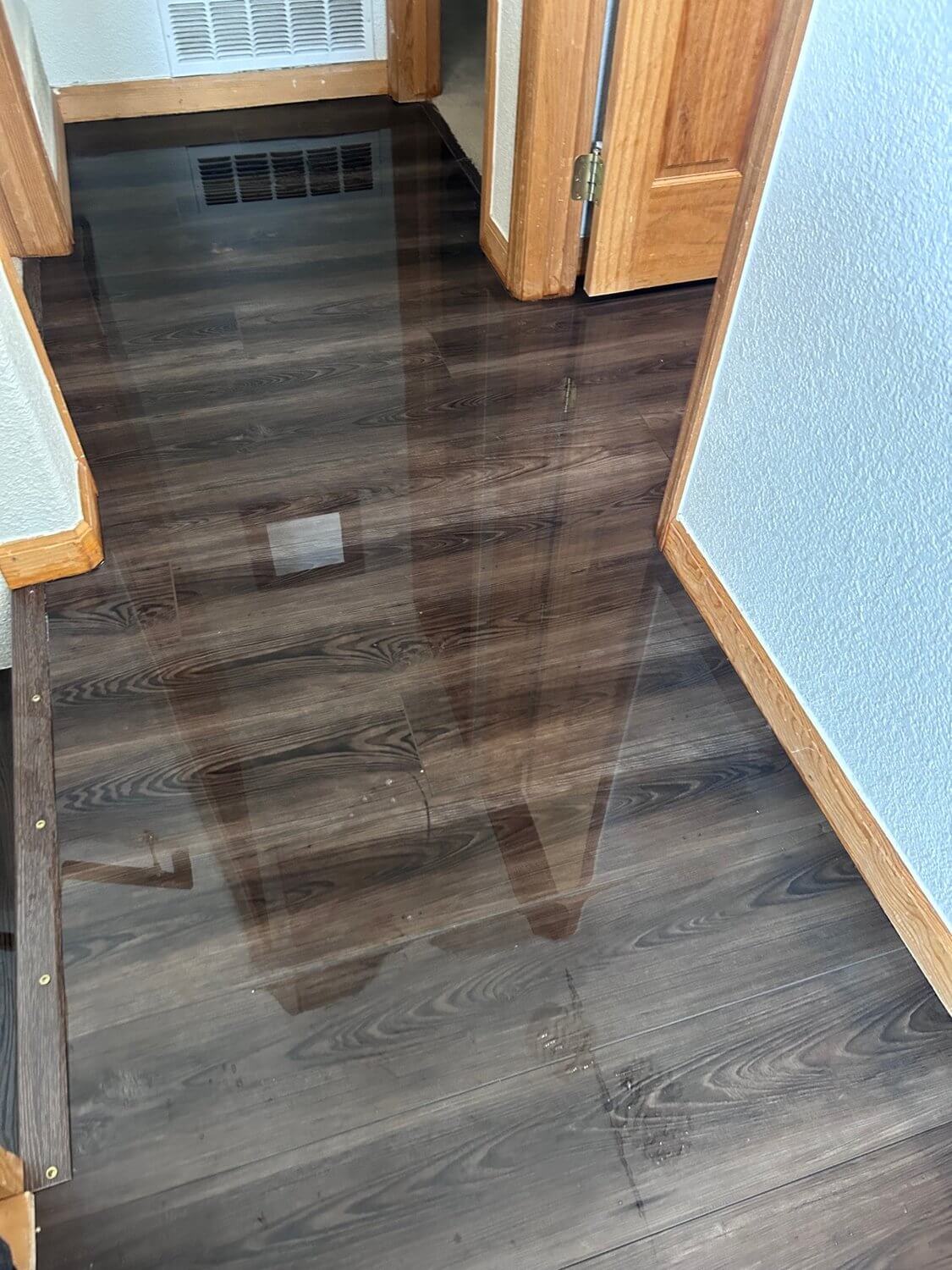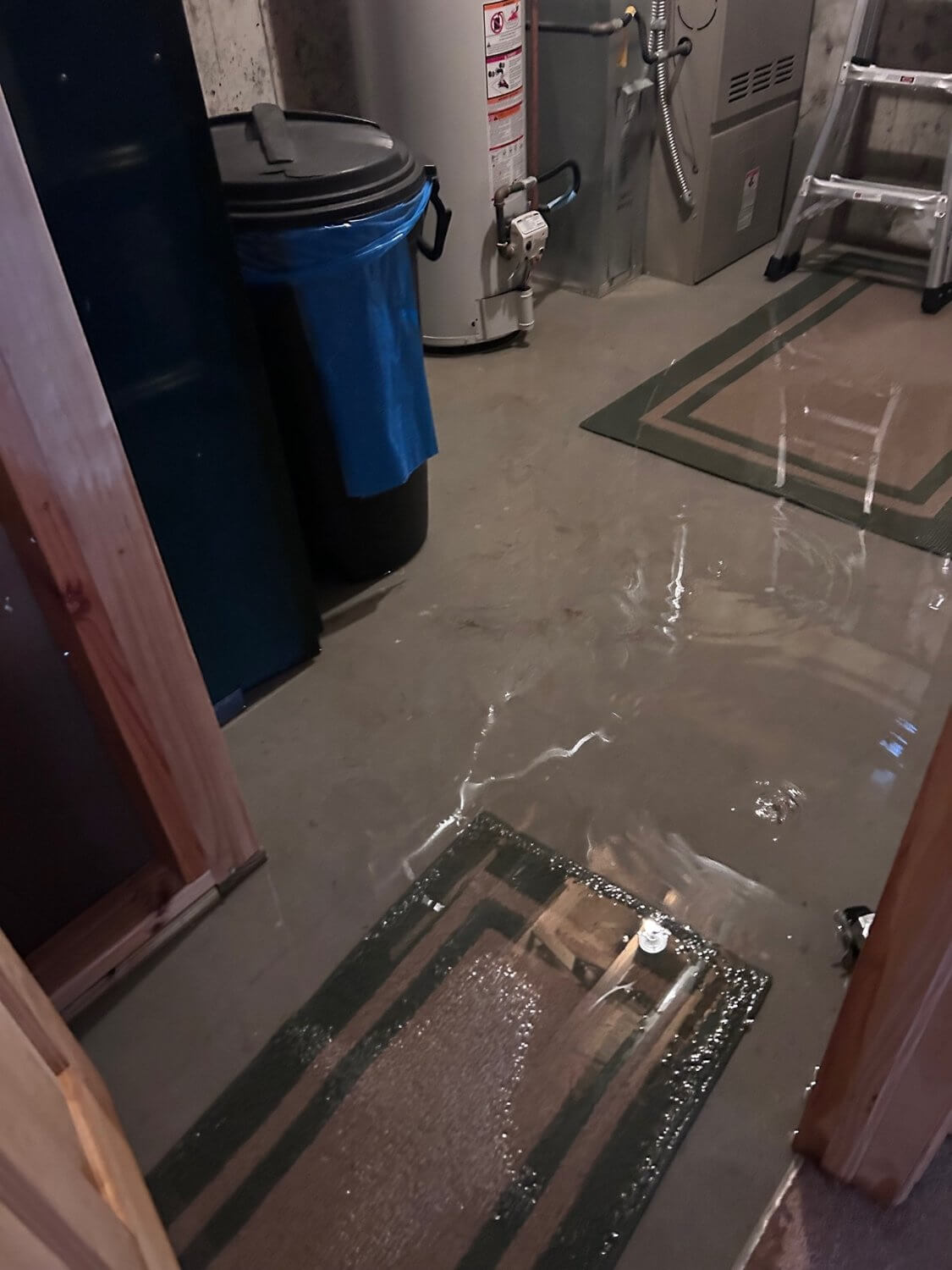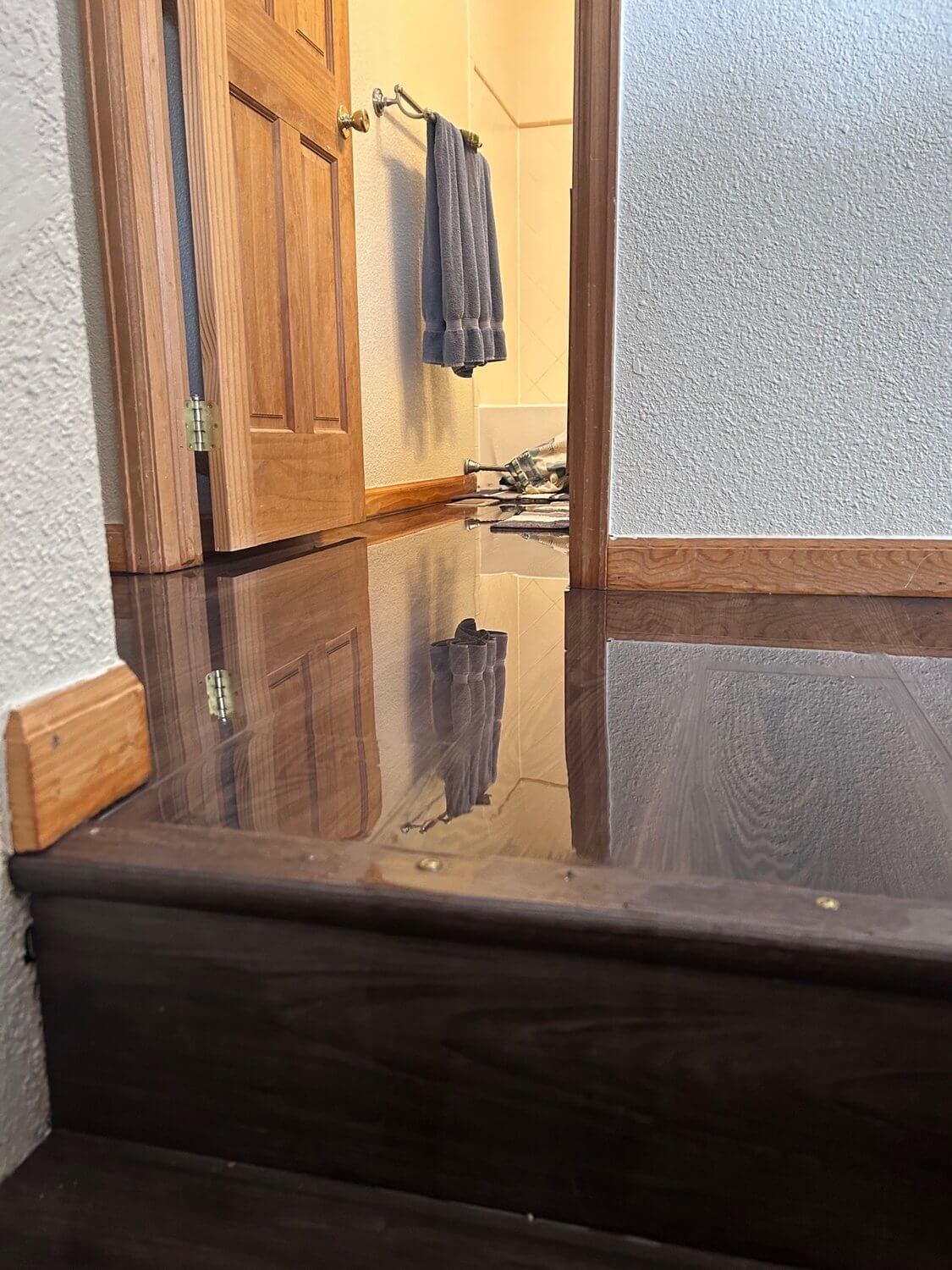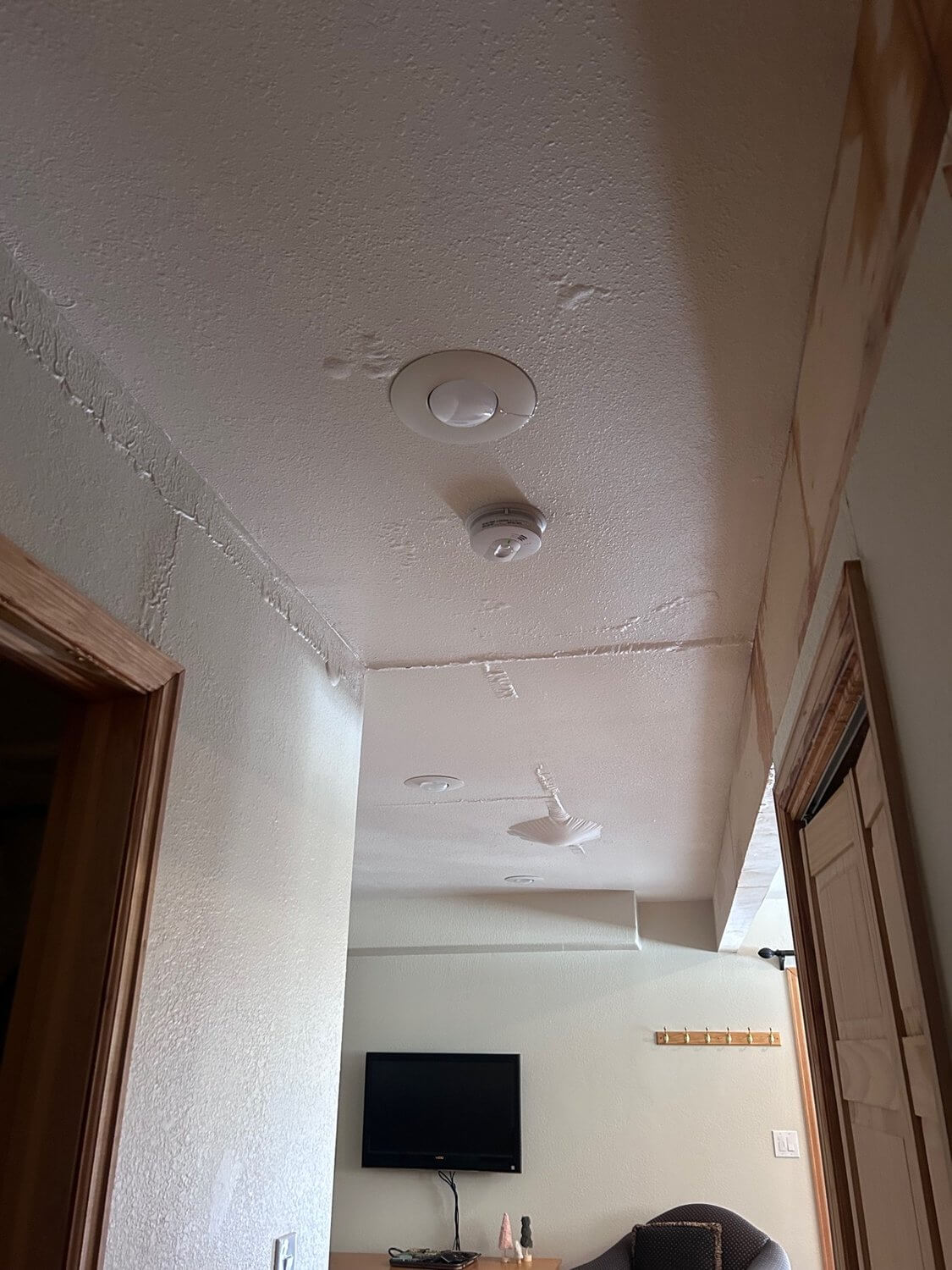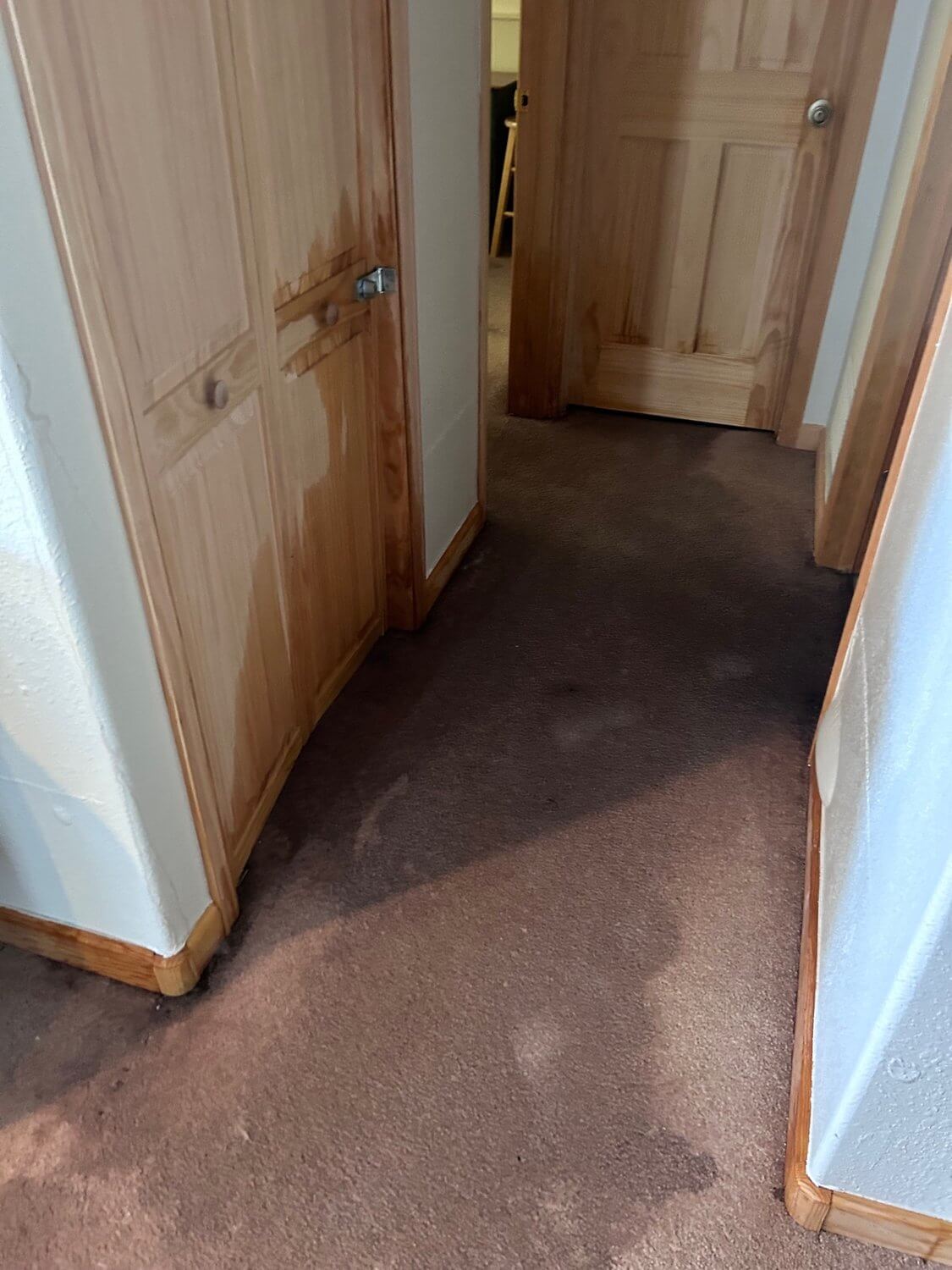

A guest checked out on a Sunday morning. The next booking didn’t start until Thursday. Somewhere under a bathroom sink, a braided supply line started leaking. Nobody was home. Nobody noticed. By Thursday, the hardwood floors were buckled, the drywall was saturated, and the unit below had ceiling stains. The repairs took nearly a year to complete.
That property is one we managed — and that incident is one of the reasons Rental Home Automator exists. At the time, we had no way to automate the water shut-off valve or keep the water off between guest stays. We do now. And so can you.
A smart water shut-off valve for your Airbnb is one of the highest-ROI upgrades you can make. A Zooz Titan valve costs $150–$300. A single water damage claim at a short-term rental can run into tens of thousands of dollars — plus weeks offline while repairs happen. The math is straightforward.
Why the Vacancy Window Is Your Biggest Water Risk
Most hosts think about water damage during guest stays. However, the real risk lives in the gap between bookings — the vacancy window when nobody is home to notice a problem.
Consider a typical STR schedule: three to four bookings per month means roughly 16–20 vacant days every month. That’s 16–20 days when a slow drip under a sink, a failing supply line, or a malfunctioning appliance hose can run undetected. Consequently, by the time a cleaner or guest arrives, the damage is already done.
Water damage in vacation rentals is one of the most common and costly insurance claims in the short-term rental industry. Furthermore, insurers that specialize in STR coverage flag it as a leading cause of extended property downtime. Automating your water shut-off valve specifically around your booking calendar — off when vacant, on before guests arrive — closes this window entirely.
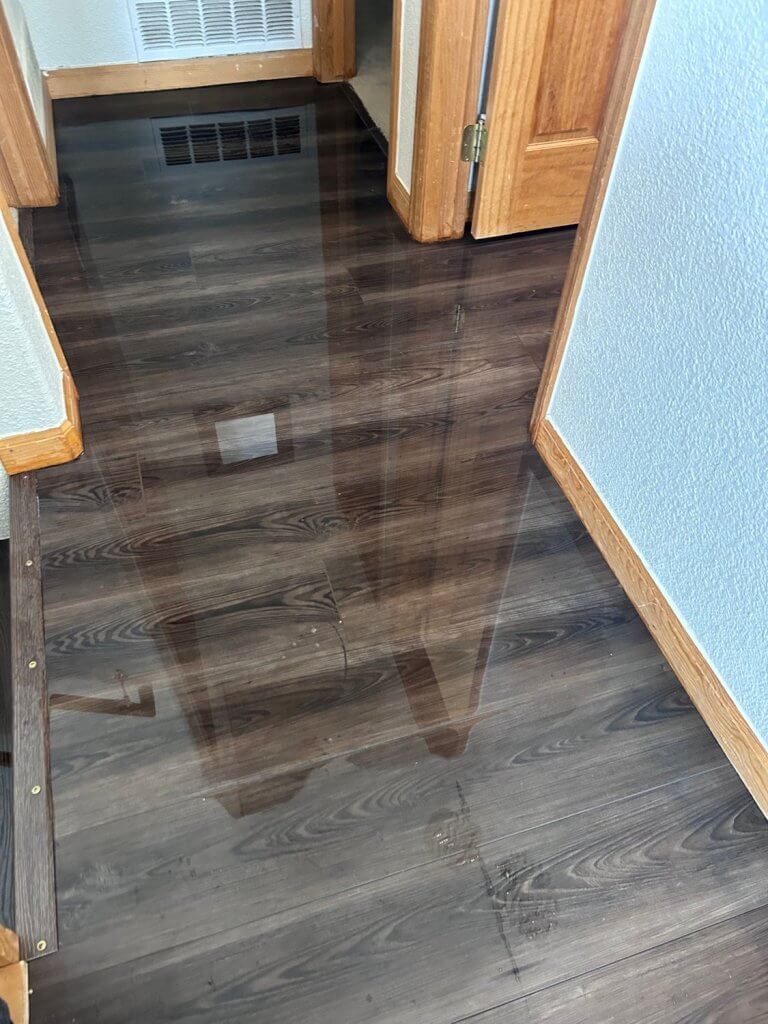
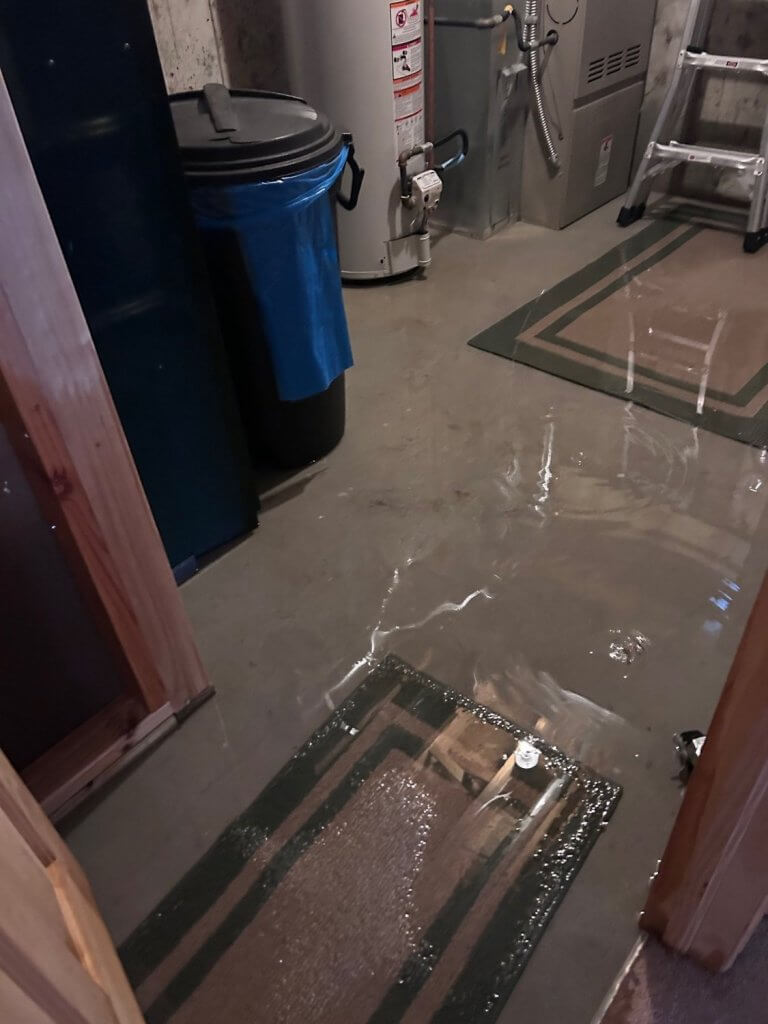
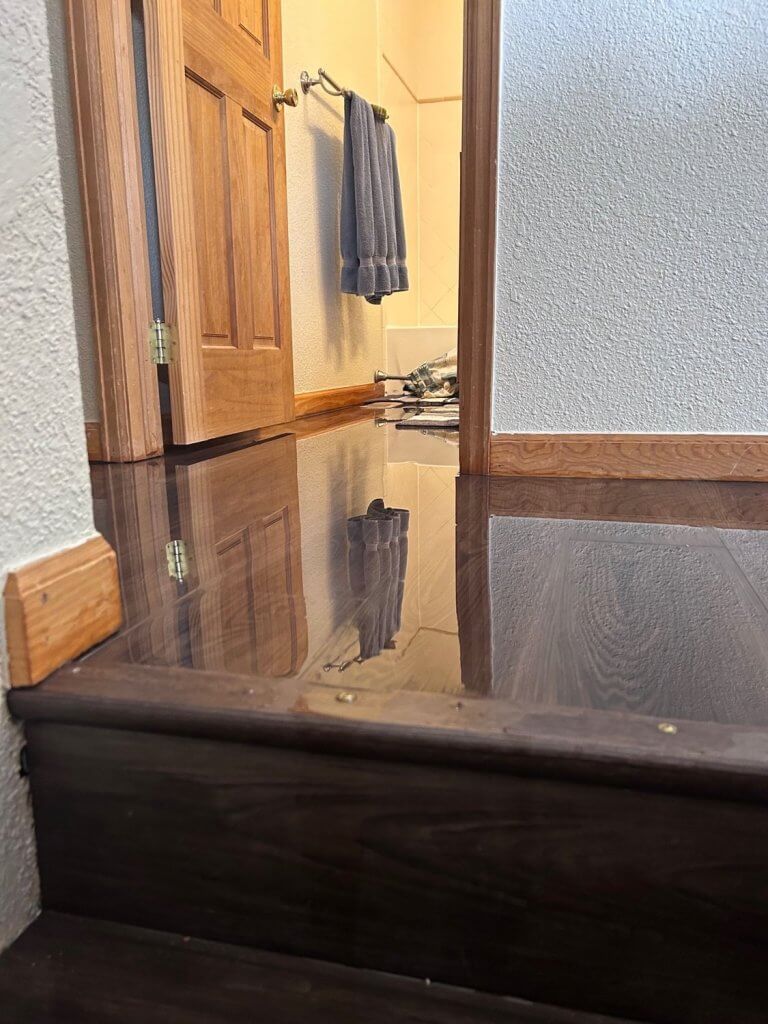
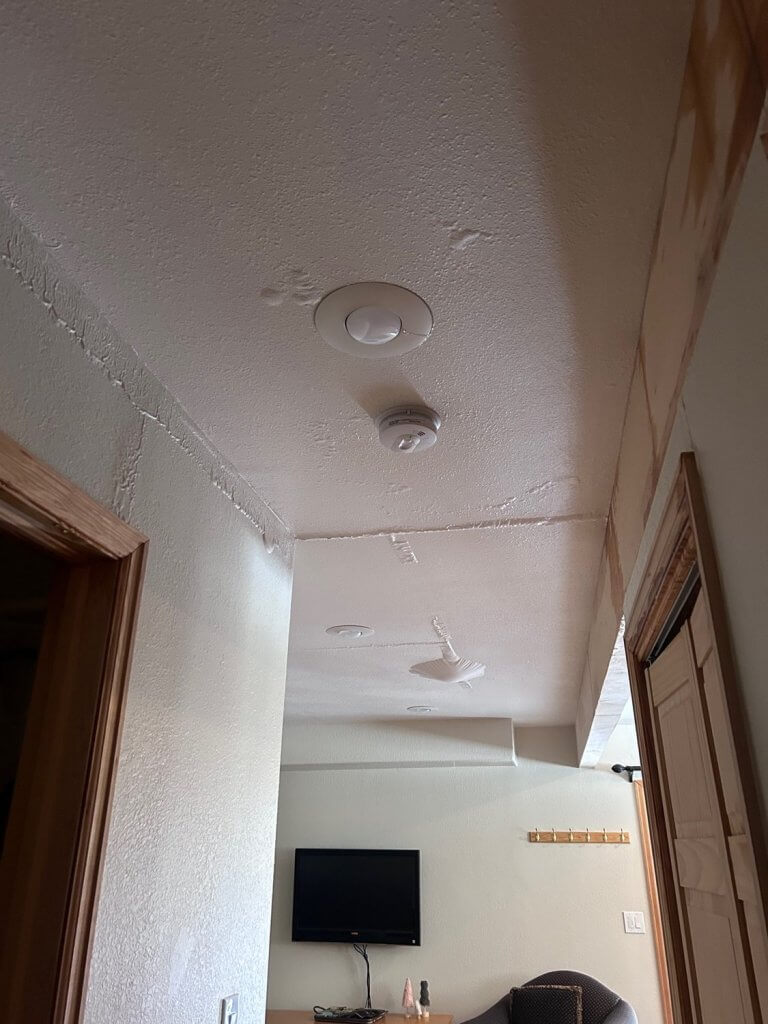
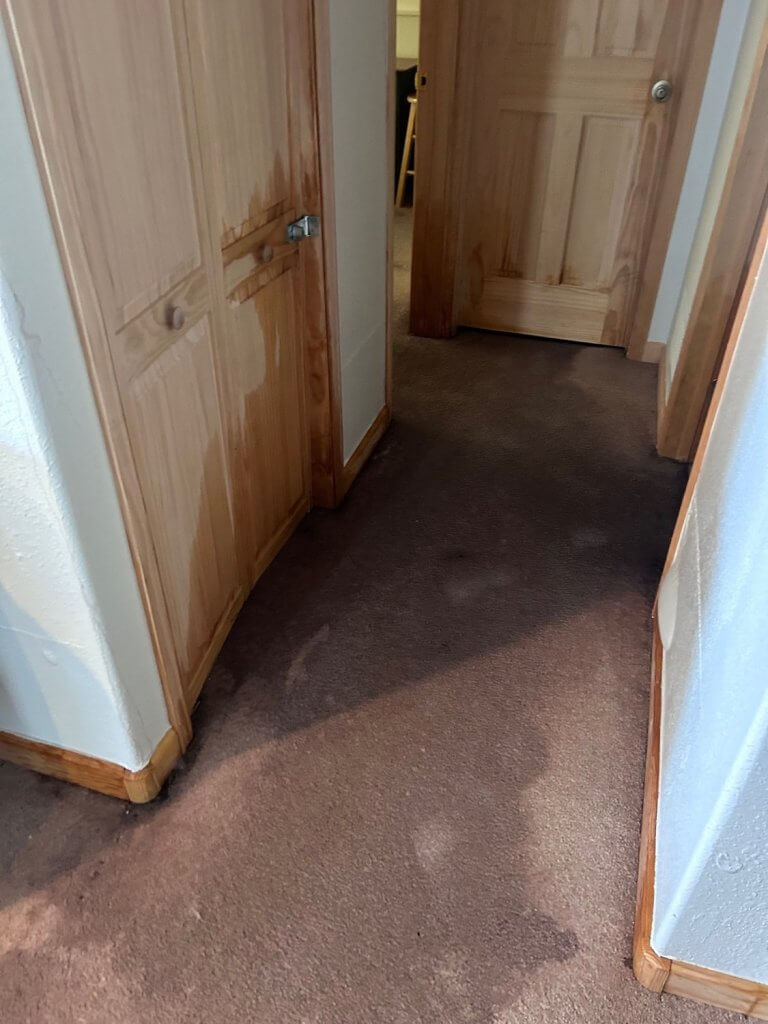
The photos above are from a property we manage and was caused by a braided sink water line that failed between guests. This was the triggering event for us to build Rental Home Automator; at the time we couldn’t automate the water valve and didn’t have the water off between guest stays. The repairs took about one year to complete.
Why Most Hosts Protect Their Front Door Better Than Their Water System
Ask most Airbnb hosts what keeps them awake at night and they’ll mention unauthorized access, parties, or guest damage.
Yet in our experience, water damage is often a much larger financial risk.
A bad guest might cause a few hundred or a few thousand dollars of damage.
A water leak that runs for days can cause tens of thousands of dollars in repairs, force a property offline for months, and impact neighboring units.
We’ve seen it happen firsthand.
The irony is that many hosts invest heavily in smart locks while leaving their water system completely unprotected.
The reality is that water damage doesn’t need malicious intent.
A failed supply line.
A leaking toilet connection.
A cracked ice maker line.
A faulty water heater.
Any of these can create a major insurance claim.
That’s why we consider water protection one of the highest-return automation investments available for short-term rentals.
Why Automatic Shutoff Systems Fail at Short-Term Rentals
Some hosts install automatic leak-detection shutoff systems and assume the problem is solved. Unfortunately, this approach creates a different problem.
Automatic shutoff systems trigger when a sensor detects moisture. During a guest stay, that moisture can come from condensation, a spilled drink near a sensor, or a wet floor mat. When the system fires a false alarm and cuts the water mid-stay, guests wake up to no running water. The result is a bad review, an emergency call to the host, and an avoidable operational failure.
This is why we don’t recommend automatic shutoff triggers during occupied periods. Instead, a smarter two-part approach protects your property without the false-alarm risk.
The Right Approach: Calendar-Controlled Shutoff + Leak Sensor Alerts
Rather than relying on automatic shutoffs, we recommend combining two systems:
Calendar-controlled valve automation closes the water valve automatically after checkout and reopens it before the next guest arrives. Because the automation ties directly to your booking calendar, the valve is only open when someone should actually be at the property — guests, cleaners, or maintenance staff. There are no manual steps, no forgetting, and no guesswork.
Leak sensor alerts provide a safety net during stays. Sensors placed under sinks, near water heaters, and behind toilets alert you immediately if moisture is detected. Moreover, when an alert fires during a guest stay, you can assess the situation remotely and close the valve manually if needed. You stay in control rather than leaving it to an automated trigger that doesn’t know the difference between a spill and a burst pipe.
Together, these two systems give you full protection without the false-alarm risk of automatic shutoffs.
This is one of the best examples of why calendar-based automation is so powerful. Instead of relying on motion sensors, schedules, or manual actions, your booking calendar determines when water should be available at the property. Reservations become operational triggers.
City Water vs. Well Systems: What You Can Automate
Water valve automation works for both city water connections and private well systems, though the setup differs slightly.
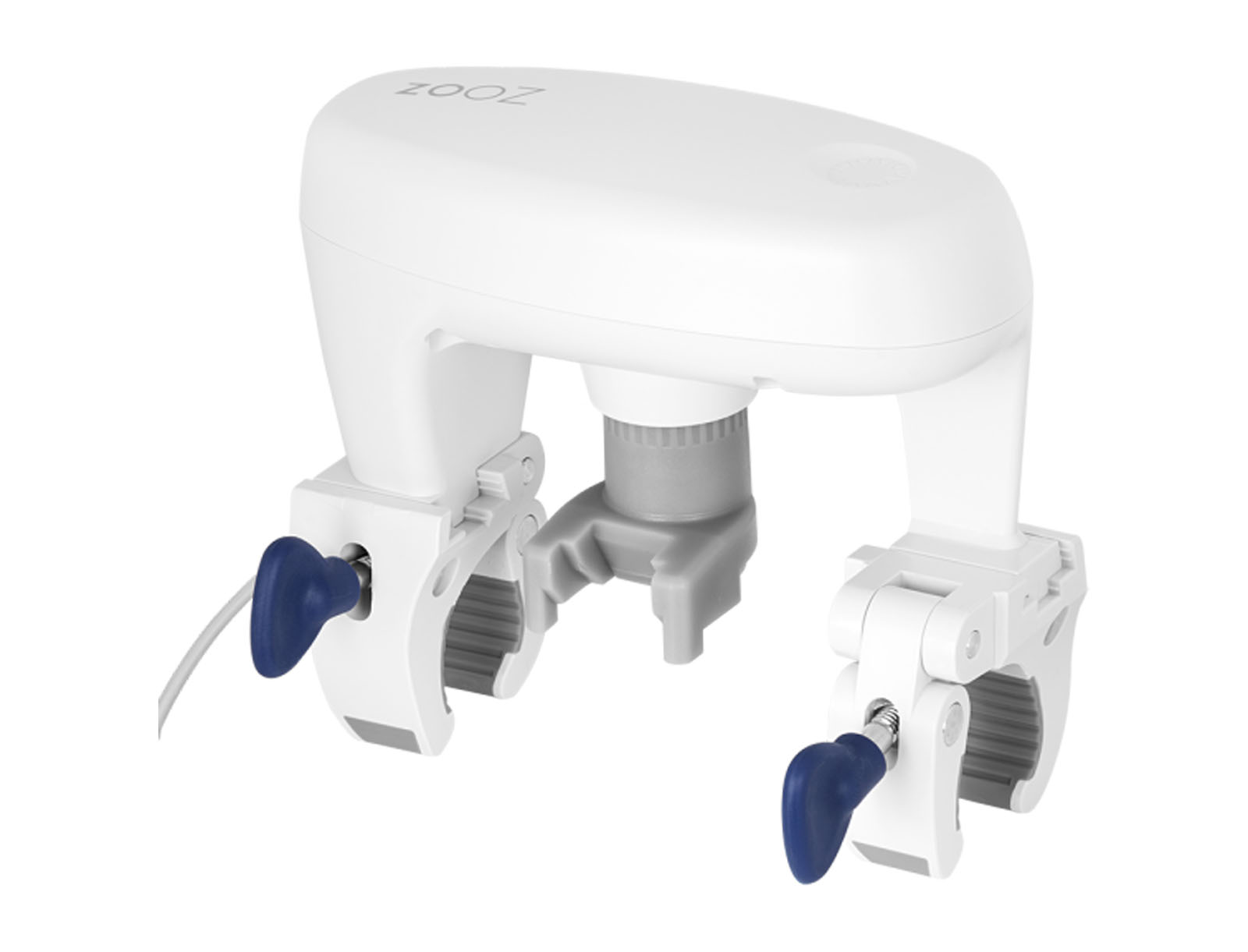
City water: Install a smart valve actuator at the main water entry point — the single valve where water enters your property. Automating at this source gives you control over every fixture and appliance in one action. We specifically recommend actuators that clamp onto your existing quarter-turn ball valve rather than replacing it. This approach requires no plumbing, preserves manual override capability, and significantly reduces the risk of mechanical failure.
💡 Pro Tip: Always automate at the source — the main entry point where water enters your home. One valve controls everything, which simplifies both the setup and the automation logic.
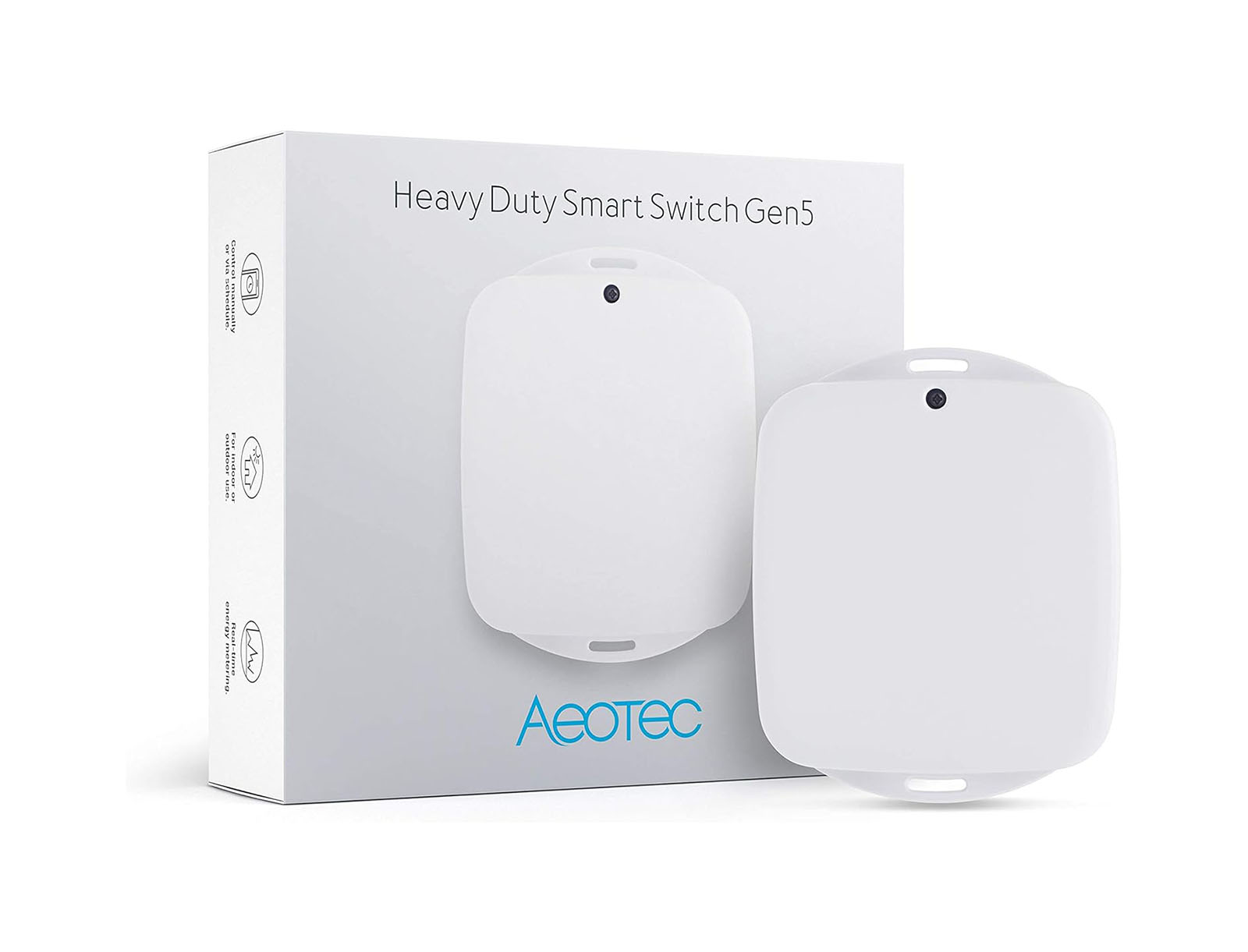
Well systems: If your property runs on a well, you automate by cutting power to the well pump rather than turning a valve. Smart switches and heavy-duty smart plugs can control the pump circuit directly. One reliable option for this setup is the Aeotec Heavy Duty Smart Switch. For a full walkthrough, see our step-by-step guide to adding a well control device.
The Best Smart Water Valves for Short-Term Rentals
Not every smart valve is built for rental use. The devices we recommend are Z-Wave based, compatible with SmartThings, and designed for the reliability demands of a remotely managed property.
Zooz Titan Water Valve 700 Series is our top pick. It’s an external actuator that clamps onto your existing quarter-turn valve, so installation requires no plumbing whatsoever. If the device ever loses power, you can still turn the valve manually — a critical feature for remote properties where failures need a non-catastrophic fallback. It communicates over Z-Wave, which means it operates on a separate frequency from guest Wi-Fi and isn’t affected by network congestion.
💡 Pro Tip: We specifically prefer external actuators over in-line replacement valves because they preserve manual operation. If the automation system ever fails, a cleaner, maintenance technician, or plumber can still operate the original valve manually. For short-term rentals, fail-safe operation is more important than elegant plumbing.
For leak detection alongside your valve, the IKEA Klippbok is our top sensor recommendation: Thread-native, AAA batteries, and genuinely rental-friendly in its alert design. For a full comparison of leak sensor options, see our leak sensors for short-term rentals guide.
One important note: we don’t recommend relying on automatic water monitors that trigger shutoffs based solely on sensor readings during stays. For the full explanation of why, read Why We Don’t Use Automatic Smart Water Monitors at Our Airbnb.

How Rental Home Automator Handles Water Valve Automation
Having a smart valve is the hardware half of the equation. The software half is what makes it rental-aware rather than just smart-home capable.
Rental Home Automator connects your booking calendar — from Airbnb, VRBO, or any direct booking source via iCal — directly to your smart valve. When a reservation is confirmed, the system automatically opens the valve before check-in and closes it after checkout. When a cleaner is scheduled, the valve opens for their window and closes again when they leave. You don’t configure anything per booking — the calendar does it.
This is what separates calendar-based automation from generic smart home control. A standard smart valve lets you control water remotely. RHA makes the valve respond to your rental operation automatically, without any manual steps per stay. For a complete walkthrough of how to connect your devices and calendar, see our guide to using Rental Home Automator at your short-term rental.
Water valve automation also works alongside the rest of your device stack. For the full picture of how locks, thermostats, lighting, and water valves work together, see The Ultimate Guide to Short-Term Rental Automation.
Frequently Asked Questions
Will automating my water valve cut off water during a guest stay? Not with the approach we recommend. Calendar-controlled automation keeps the valve open throughout the guest’s stay and only closes it after checkout. Leak sensor alerts notify you of a problem during a stay — you then decide whether to close the valve remotely. The valve never closes automatically on a guest.
Do I need a plumber to install a smart water valve? No. The valves we recommend — the Zooz Titan and the Dome — are external actuators that clamp onto your existing quarter-turn ball valve. Installation takes under 30 minutes and requires no plumbing work.
Does this work with both city water and well systems? Yes. For city water, automate the main entry valve. For wells, automate the pump circuit using a smart switch. Both approaches work with Rental Home Automator.
What happens if the smart valve loses power or goes offline? The Zooz Titan retains manual override capability — you or your maintenance team can still turn the valve by hand if the device is offline. This is one of the reasons we recommend external actuators over in-line replacements.
How does the valve know when guests are checking in or out? Rental Home Automator reads your iCal booking feed and triggers valve open/close events based on your reservation times, including any offsets you configure (e.g., open 2 hours before check-in, close 1 hour after checkout).
Final Thoughts
Most hosts think about water protection after a leak happens.
By then, it’s too late.
The best water damage prevention strategy is eliminating risk whenever the property is vacant.
That’s why we believe water valve automation should be part of every serious short-term rental automation strategy.
Combined with leak sensors and calendar-based automation, a smart water valve can dramatically reduce one of the biggest operational risks facing remote hosts.
A smart lock protects your front door.
A smart water valve protects the entire property.
If you’re building a complete automation system, start with the devices that can prevent the most expensive failures.
Learn how Rental Home Automator can automatically manage your water valve, leak sensors, locks, thermostats, and other smart devices using your booking calendar.