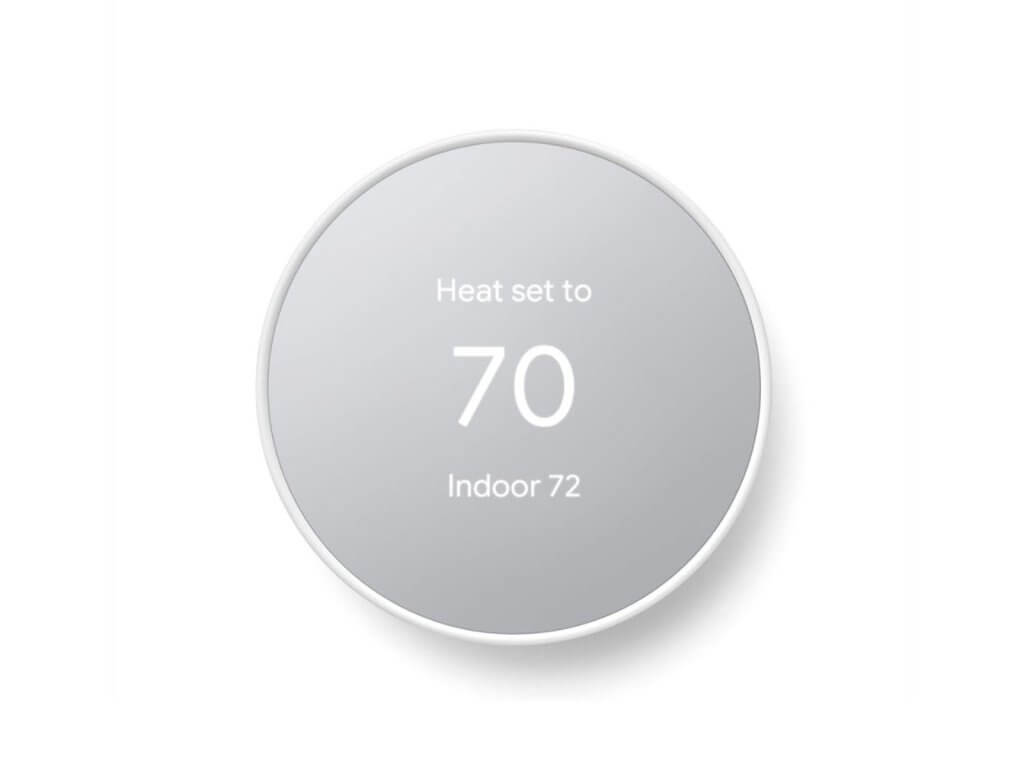
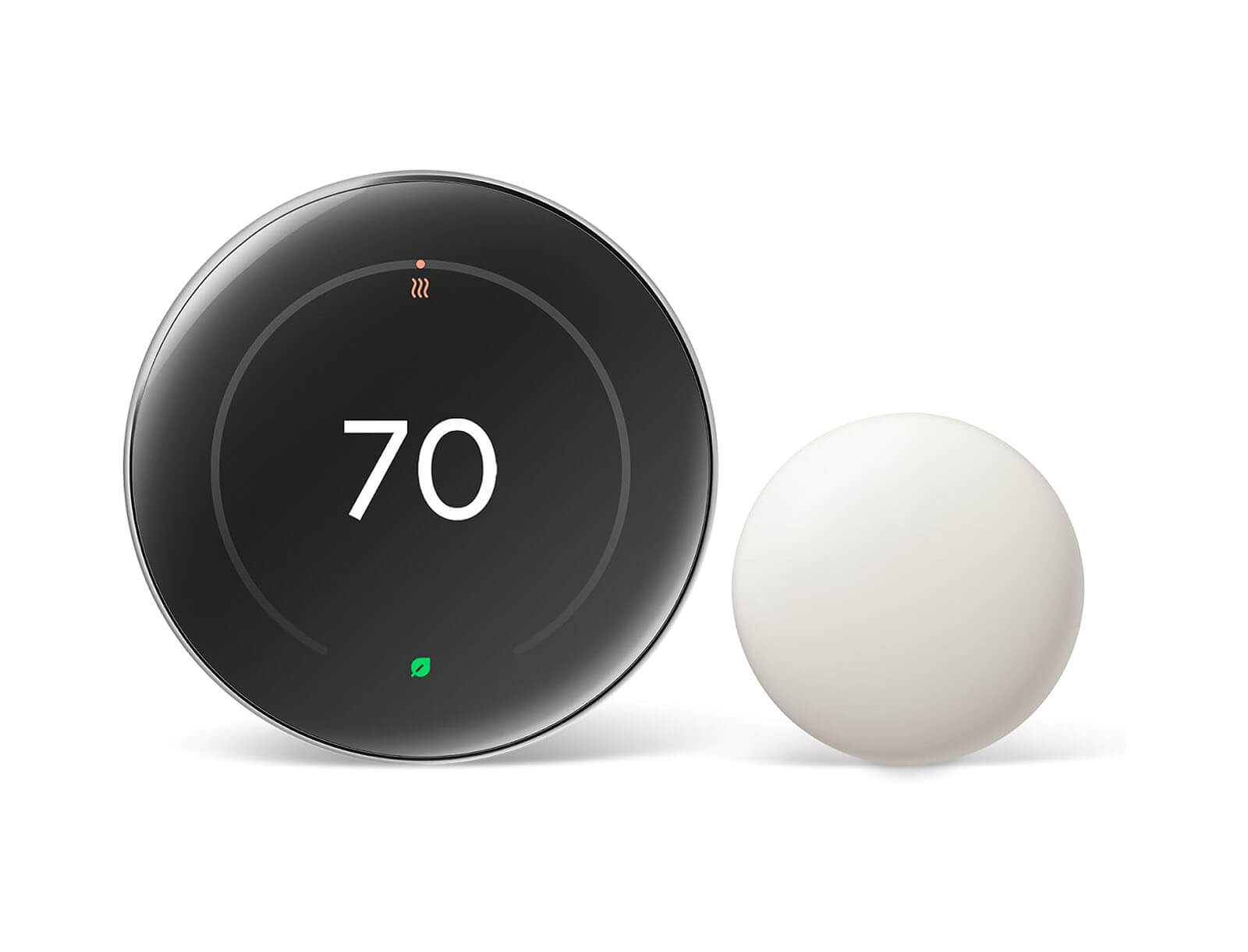
The Google Nest Thermostat is a polished, affordable smart thermostat that works well in many homes—but it is not our first choice for a short-term rental.
It offers remote control through Google Home, basic scheduling, energy-saving features, and broad compatibility with common 24-volt HVAC systems. For homeowners already invested in the Google ecosystem, it can be a perfectly good thermostat.
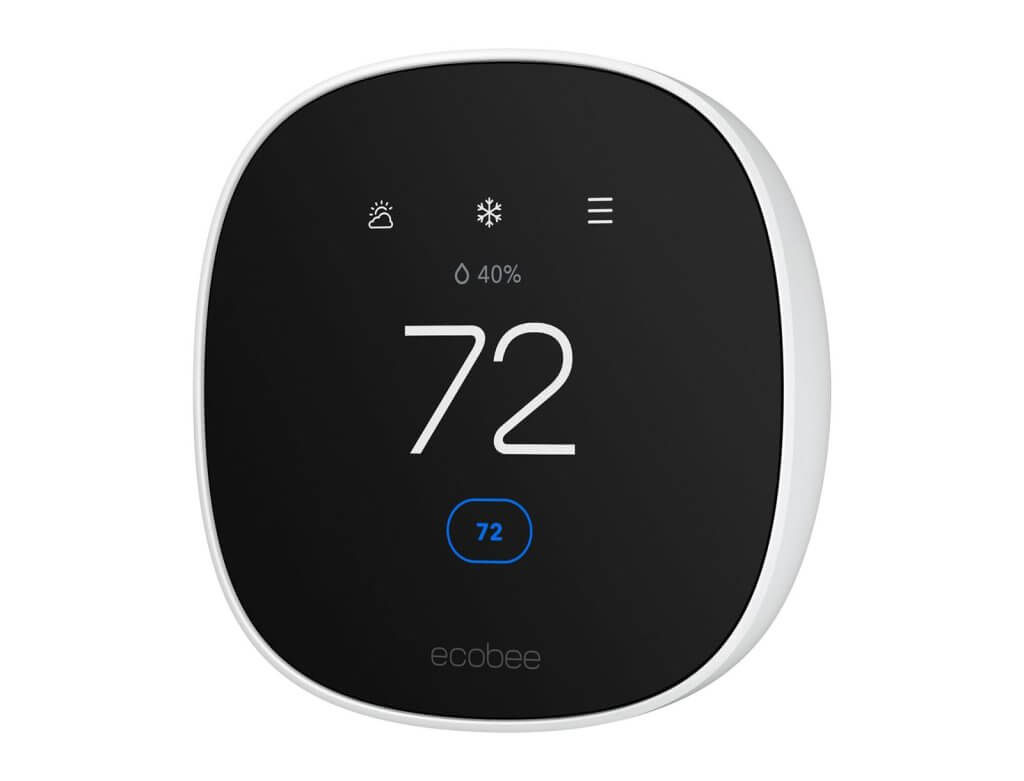
For a rental property, however, we prefer thermostats that give hosts more predictable control and integrate more cleanly with reservation-based automation. That is why we recommend the ecobee Smart Thermostat Essential for most new short-term rental installations.
Why the Nest Thermostat Is Less Ideal for Short-Term Rentals
The Nest Thermostat is designed primarily around the Google Home ecosystem.
That works well for a homeowner managing their own house, but short-term rentals often need something different: reliable remote management, easy guest interaction, and automation that follows reservations rather than a household schedule.
The Nest can absolutely be used in a rental, but it generally requires more compromise than competing options when you want to build a broader automation system around it.
Remote Control and Automation
The Google Home app provides remote temperature control, schedules, and energy-saving features.
That covers the basics well.
The limitation is that advanced third-party automation and calendar-aware control are not as flexible as they are with some competing thermostat platforms.
For a short-term rental, we prefer the reservation calendar to determine when a property should return to guest temperatures, energy-saving settings, or vacancy mode. The Nest can participate in that type of system, but it would not be our first choice if we were building the property from scratch.
Guest Usability
The Nest Thermostat has a clean, modern design, but we do not find it as immediately intuitive for guests as a traditional touchscreen thermostat.
That is a relatively small issue in a primary residence, where the same people use the thermostat every day.
At a rental property, every new guest has to understand the controls without instructions or an app.
For that reason, we prefer thermostats that make basic temperature adjustment as obvious as possible.
Installation and HVAC Compatibility
The Nest Thermostat works with many common 24-volt heating and cooling systems, but compatibility should always be checked before purchasing.
Some systems require a C-wire or Google’s Nest Power Connector for reliable power.
Google provides an online compatibility checker and installation guidance, which we recommend using before buying the thermostat.
When the Nest Thermostat Still Makes Sense
We would not remove a working Nest Thermostat simply because another model ranks higher on our list.
If your rental already has one installed and it is operating reliably, there is usually little reason to replace it.
It can also make sense if you are already heavily invested in the Google Home ecosystem or have a specific HVAC configuration where Nest is a good fit.
The distinction is simple: we consider the Nest Thermostat a viable existing solution, but not our preferred thermostat for a new short-term rental installation.
What We Don’t Like
Our biggest concern is the limited flexibility for advanced rental automation compared with alternatives such as ecobee.
We also find the physical controls less intuitive for rotating guests, and much of the thermostat’s ecosystem is tied closely to Google Home.
Finally, some HVAC systems require additional hardware such as a C-wire or Nest Power Connector.
None of these issues make the Nest a bad thermostat. They simply make it a weaker fit for the operational needs of a short-term rental.