
If you’re running an Airbnb or short-term rental, smart home technology isn’t optional anymore—it’s essential.
But here’s the problem…
Most hosts install a few smart devices and expect everything to “just work.”
It doesn’t.
Devices disconnect. Automations fail. Guests get locked out. And suddenly, you’re dealing with more problems—not fewer.
This guide walks you through exactly how to build a reliable, scalable smart home setup for your rental—one that actually works.
Before choosing devices, it helps to understand the broader short-term rental automation strategy those devices are meant to support.
Why Smart Home Technology Matters for Short-Term Rentals
A properly designed smart home setup allows you to:
- Automate guest access (no more key exchanges)
- Control energy usage and reduce utility costs
- Monitor your property remotely
- Prevent costly damage like water leaks
- Improve the guest experience
But the real benefit?
Running your rental without being physically present.
That’s the difference between a side hustle and a scalable business.
If you’re new to automation, start with this foundational guide: Smart Home Automation for Airbnb: Why Typical Setups Fail
The 5 Core Components of a Smart Airbnb Setup
Every reliable smart home setup for a short-term rental is built on five key categories.
Smart Locks (Access Control)
Your smart lock is the most important device in your entire setup.
It controls guest access, cleaner access, and emergency entry.
What to look for:
- Reliable connectivity (Z-Wave is typically the best choice)
- Remote code management
- A backup entry method (key or keypad)
Avoid Wi-Fi locks when possible—they tend to be less reliable in rental environments.
Learn more about lock automation and setup here: Rental Lock Automation: The Smart Way to Secure Your Short-Term Rental
And if you’re evaluating specific locks: Why the Yale Assure Lock 2 Is the Best Smart Lock for Short-Term Rentals
Smart Thermostats (Energy + Comfort)
Smart thermostats help you reduce energy costs between stays while keeping guests comfortable.
They allow you to:
- Adjust temperatures remotely
- Automatically change settings between bookings
- Prevent extreme usage
The key is choosing something that integrates well with your overall system.
If you want to dive deeper into thermostat strategy: Thermostat Automation: A Smart Move for Short-Term Rentals
And for device recommendations: The Best Smart Thermostat For Airbnb Hosts
Sensors (Awareness & Protection)
Sensors are what make your smart home intelligent.
The most important types include:
- Leak sensors (critical)
- Motion sensors
- Door and window sensors
These allow you to detect issues early, trigger automations, and monitor what’s happening at your property.
If you’re not using leak sensors yet, start here: Leak Sensors for Short-Term Rentals: Why Water Monitoring Is Non-Negotiable
Water Protection (Critical for Risk Management)
This is one of the most overlooked—and most important—parts of any setup.
A single water leak can cause thousands of dollars in damage.
According to the Insurance Information Institute, water damage is one of the most common and costly home insurance claims.
A proper setup includes:
- Leak sensors
- A smart water shutoff valve (not an automatic shutoff)
For serious hosts, this isn’t optional.
Learn how to implement a full solution: Water Valve Automation: Protect Your Short-Term Rental from Costly Water Damage
Network & Connectivity (The Foundation)
Your smart home is only as good as your network.
If your Wi-Fi is unreliable, everything else will be too.
Best practices:
- Separate guest and device networks
- Use a high-quality router (not the default from your ISP)
- Avoid overloading your network with too many Wi-Fi devices
If you’re unsure about your setup, read: Why Internet Quality Matters More Than Ever
And for advanced setups: Why the UniFi Ecosystem is Your Airbnb’s Soulmate
What Most Airbnb Hosts Get Wrong
This is where most smart home setups fail.
Using Too Many Wi-Fi Devices
Wi-Fi devices can overload your network and disconnect frequently—especially when guests are using the same connection.
If you’re relying heavily on Wi-Fi devices, read this: Think Twice Before Using Smart Wi-Fi Devices in Your Airbnb
Not Using a Central Automation System
Without automation, your devices are just individual tools.
You need a system that connects everything together and runs automatically based on bookings.
Many platforms struggle with this, which is why this article is worth reading: Why Most Smart Home Platforms Avoid Calendar-Based Automation
No Fail-Safes
What happens if:
- The internet goes down?
- A device disconnects?
- A command fails?
Most setups don’t account for these situations.
Thinking Devices = Automation
Buying devices is easy.
Making them work together reliably is the hard part.
The Ideal Smart Home Setup (Recommended Stack)
A reliable short-term rental setup typically includes:
- A central hub (like SmartThings)
- Z-Wave smart locks
- A smart thermostat with remote control
- Leak detection along with a smart shutoff valve
- Strategic sensors
- A dedicated, high-quality network setup
This combination prioritizes reliability, scalability, and remote management.
If you want a full breakdown of platforms: A Guide to Smart Home Platforms
How to Automate Your Airbnb (Where Most Systems Fall Short)
Even with the right devices, you still need automation.
This is where most platforms struggle.
They either:
- Don’t support calendar-based automation
- Require complex manual setups
- Or fail when something doesn’t work perfectly
What You Actually Need
A proper automation system should:
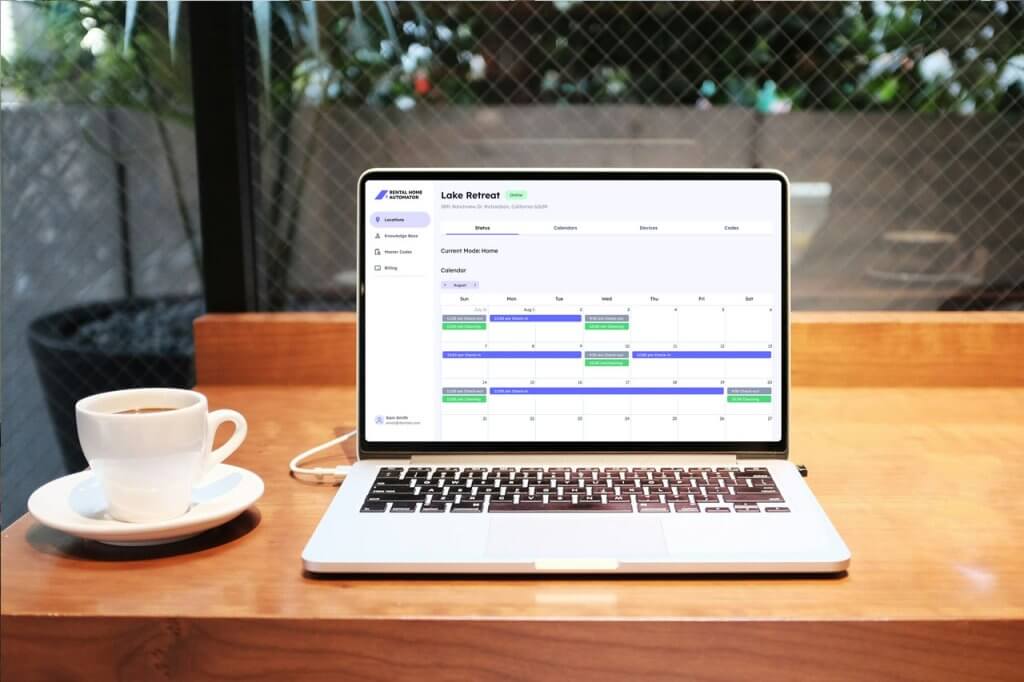
- Sync with your booking calendar
- Automatically trigger device changes
- Retry actions if something fails
- Handle guest turnover seamlessly
To understand how this works in practice: Calendar-Based Rental Automation
The Smarter Way to Run Your Rental
Instead of manually managing devices, you can automate:
- Guest check-in → unlock doors, adjust temperature
- Guest check-out → lock doors, turn off devices
- Vacancies → switch to energy-saving mode
- Alerts → notify you immediately of issues
This is how you turn a smart home into a smart rental business.
If you want to explore advanced strategies: Advanced Airbnb Automations
Ready to Automate Your Rental?
Most hosts stop at installing devices.
That’s where the real problems begin.
If you want a system that actually works—where your devices respond automatically to bookings, retries when something fails, and runs your property without constant oversight—you need more than just smart devices.
👉 Start Here
- Learn how everything works together: The Ultimate Guide to Short-Term Rental Automation
- Explore all features and capabilities: Rental Home Automator Features
- See recommended devices that actually work in rentals: Recommended Devices
👉 Or Jump Straight In
If you’re ready to simplify your operations and automate your rental: Pricing
A smart home setup isn’t about buying the latest gadgets.
It’s about building a system that works reliably without constant intervention.
If you get this right, you’ll:
- Save time
- Reduce costs
- Avoid emergencies
- Scale your rental business
And most importantly…
You’ll stop managing your property—and start automating it.

)
&description=&image=https://www.rentalhomeautomator.com/wp-content/uploads/hosting_rentalhomeautomator_com_files/2026/04/pexels-andreaedavis-12931939-1024x682.jpg)