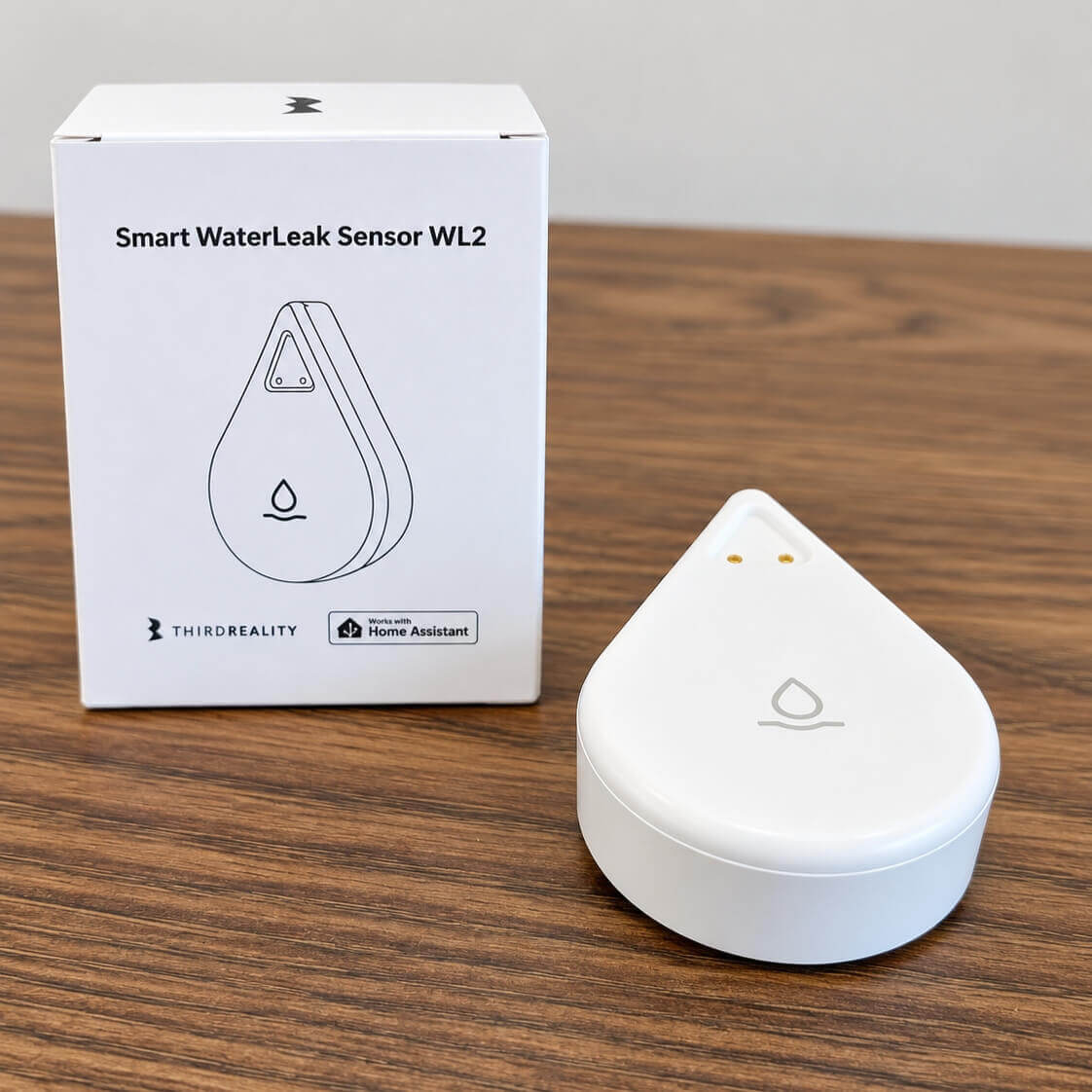
The Third Reality WL2 Water Leak Sensor is one of our recommended leak sensors for short-term rentals, and after more than six months of testing, it has done exactly what we want a leak sensor to do: stay connected, detect water reliably, and otherwise stay out of the way.
What makes the WL2 particularly interesting for rental properties isn’t a flashy smart-home feature.
It’s what the sensor doesn’t do.
Unlike many water leak sensors, the WL2 does not have an audible alarm.
For a traditional home, a loud alarm can be a useful feature. For a short-term rental, we often prefer the opposite. We want the owner or property manager alerted immediately when water is detected, but we don’t necessarily want a sensor under a sink or behind a toilet suddenly alarming and confusing a guest.
That silent operation, combined with Zigbee connectivity, standard AAA batteries, a compact design, and sensing contacts on both the top and bottom of the device, makes the WL2 exceptionally well suited to rental properties.
Why Leak Sensors Matter in a Short-Term Rental
Water damage is one of the most expensive problems a rental owner can face.
Small leaks frequently begin in places guests won’t notice immediately:
- Under sinks
- Behind toilets
- Near washing machines
- Around water heaters
- Under refrigerators
- Near dishwashers
- Around HVAC equipment
A leak sensor provides another layer of visibility by notifying the property manager as soon as water reaches the sensor.
We don’t consider leak sensors a replacement for a smart water shutoff. Our preferred rental setup is still to shut off the main water supply when the property is vacant and use leak sensors as an additional layer of protection.
But when guests are staying at the property and the water needs to remain on, strategically placed leak sensors can provide extremely valuable early warning.
No Audible Alarm — And That’s a Good Thing
The most important difference between the WL2 and many competing leak sensors is that it doesn’t contain a siren.
Third Reality intentionally designed the WL2 this way. Its previous-generation water sensor included a loud local alarm, while the WL2 is designed to report the leak through the connected Zigbee system instead.
For a normal residence, you could reasonably argue that a local alarm is preferable.
For a rental, we see it differently.
Imagine a small amount of water reaching a sensor behind a toilet at 2:00 AM. We absolutely want to know about it as the property manager.
We don’t necessarily want a guest awakened by a loud alarm from a device they don’t understand.
That can result in confused messages, guests removing batteries, moving the sensor, or trying to troubleshoot equipment that they shouldn’t need to interact with.
With the WL2, the sensor can quietly report the leak to the smart-home system, allowing the owner or manager to decide what needs to happen next.
For us, that’s a significant STR advantage.
Reliable During Testing
The WL2 is still a relatively new device, so we’re not going to pretend we have years of reliability data.
We don’t.
But we’ve now been testing it for more than six months, and so far its performance has been excellent.
It has stayed connected to our Zigbee network, reported water accurately during testing, and hasn’t required any troubleshooting or repeated pairing.
That’s exactly what we want from a leak sensor.
We will continue evaluating its long-term reliability, but based on our experience so far, we are comfortable recommending it for rental installations.
Water Detection on the Top and Bottom
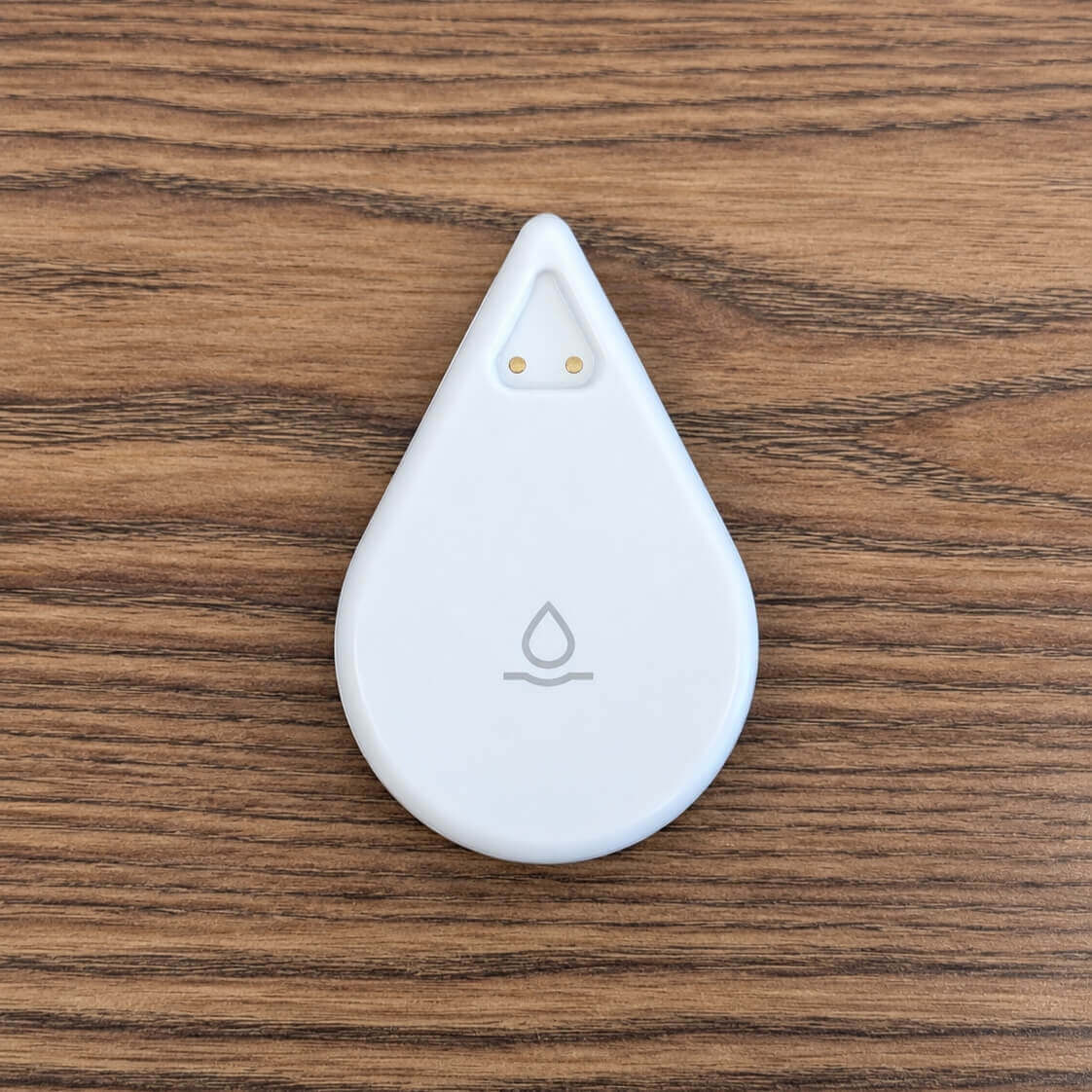
Another feature we particularly like is that the WL2 can detect water from contacts located on both the top and bottom of the sensor.
Most leak sensors are designed primarily to detect water pooling underneath them.
That’s useful, but leaks don’t always behave that neatly.
Water can drip from a supply line, splash from plumbing, or reach the sensor from above before a meaningful puddle develops underneath it.
Having sensing points in both locations increases the number of ways the sensor can encounter water.
It’s a simple design choice, but one we appreciate.
Zigbee Connectivity
The WL2 uses Zigbee, which is one of our preferred protocols for smart sensors.
That’s a much better fit for this type of device than connecting every sensor directly to Wi-Fi.
Zigbee was designed to stay off of your home Wi-Fi and allows sensors throughout the property to communicate through a compatible hub.
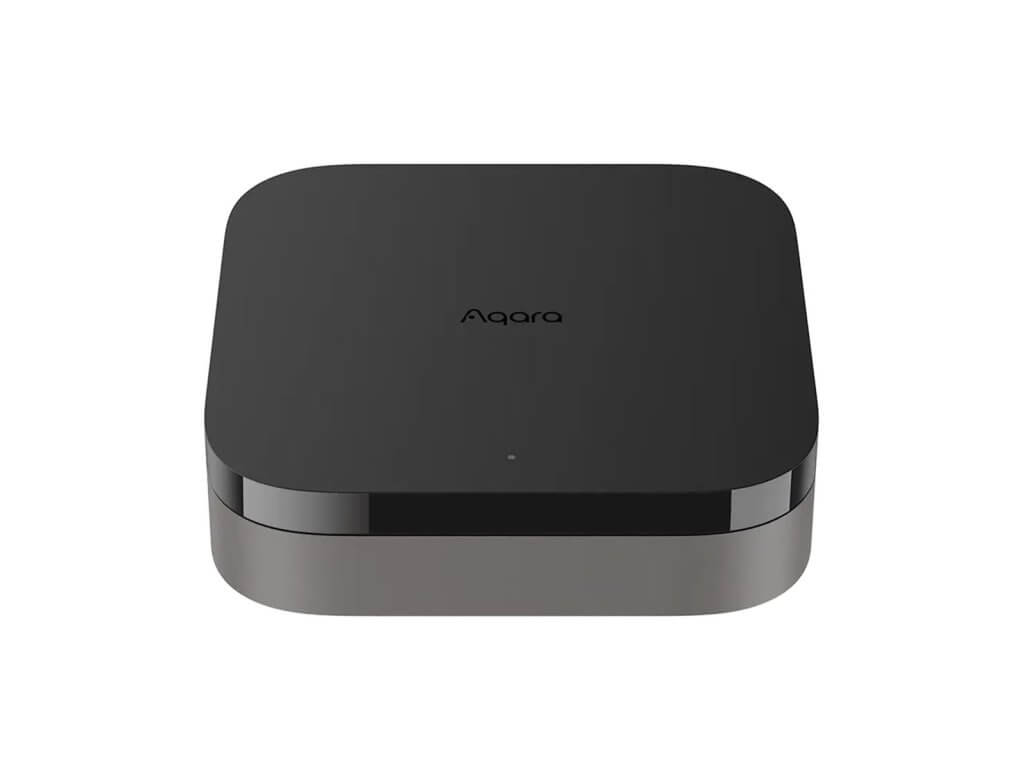
The WL2 works with a broad range of Zigbee platforms, including SmartThings, Aeotec, Hubitat, Homey, Home Assistant and Third Reality’s own hubs.
For a rental owner deploying several sensors throughout a property, that flexibility is important.
We don’t want a separate cloud account and Wi-Fi connection for every little sensor in the house.
We want simple devices connected to a central automation platform.
Standard AAA Batteries
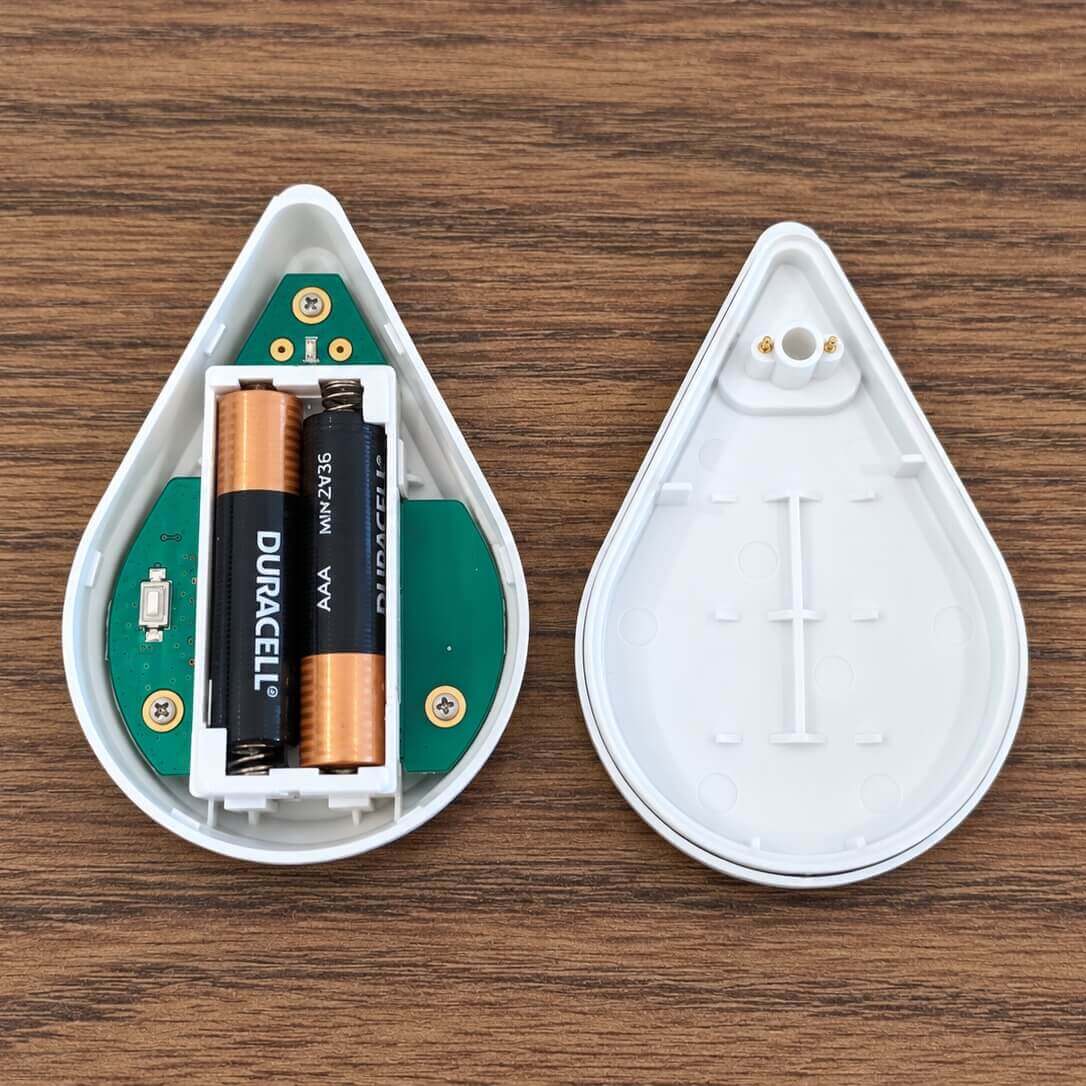
The WL2 uses two standard AAA batteries, which is another design choice we strongly prefer.
Third Reality rates battery life at up to three years under typical use, although we haven’t owned the WL2 long enough to independently verify anything close to that yet.
We’re less interested in an optimistic battery-life number than we are in the type of battery being used.
AAA batteries are inexpensive, available virtually everywhere, and easy to standardize across multiple properties.
If a cleaner or property manager needs to replace them, they don’t need a specialty coin cell or unusual lithium battery.
That matters when you’re maintaining dozens of smart devices across rental properties.
The Downside: It’s Still Battery Powered
The biggest drawback is simply that the WL2 relies on batteries.
Whenever we can avoid batteries in a rental property, we prefer to.
Every battery-powered device creates another maintenance item that eventually needs attention.
Unfortunately, there aren’t many practical ways around this with leak sensors. They need to be small, movable, and placed in locations where electrical outlets often aren’t available.
At least the WL2 minimizes that inconvenience by using standard AAA batteries instead of something proprietary or difficult to source.
Battery monitoring through the smart-home platform also makes it possible to replace batteries proactively rather than waiting for a sensor to stop communicating.
Third Reality WL2 vs. IKEA KLIPPBOK
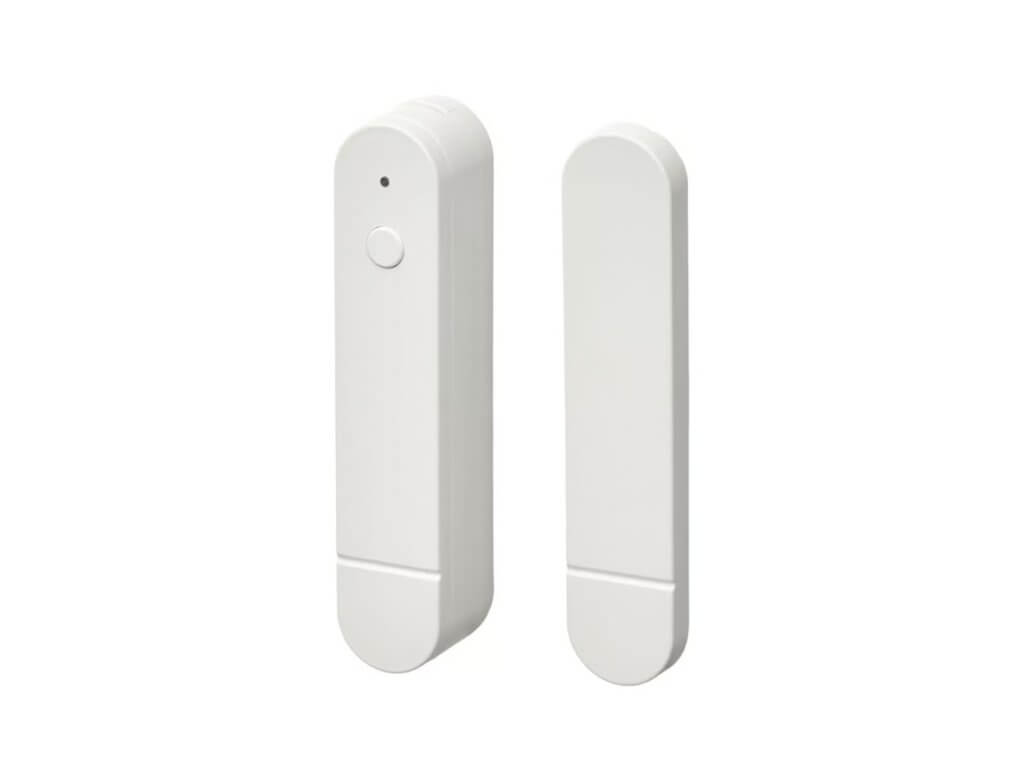
The IKEA KLIPPBOK is the WL2’s closest competitor among the leak sensors we’ve tested, and choosing between them is difficult because we like both devices.
The KLIPPBOK is inexpensive, compact, uses standard AAA batteries, and communicates using Matter over Thread rather than Zigbee.
It has also been excellent during our testing.
The biggest difference for a rental is the alert behavior.
The KLIPPBOK includes a local audible alert when it detects water. It’s not an obnoxiously loud siren like some traditional leak sensors—it produces more of a warning beep—but the guest can still hear it.
The WL2 is silent.
For some owners, that will make the KLIPPBOK preferable because they want anyone in the property alerted immediately.
For our typical STR installation, we slightly prefer having the property manager receive the alert without unnecessarily involving the guest.
The choice may ultimately come down to the smart-home network you’re already using:
Choose the WL2 if you prefer Zigbee and silent leak detection.
Choose the KLIPPBOK if you’re building around Matter over Thread and don’t mind a local audible warning.
Both are excellent options.
Where We Would Install Them
Leak sensors are inexpensive enough that we don’t recommend installing just one.
Instead, place them anywhere a plumbing failure is reasonably likely to cause damage.
Our typical priority locations include:
- Under kitchen sinks
- Under bathroom vanities
- Behind toilets
- Near washing machines
- Near water heaters
- Under refrigerators with water lines
- Near dishwashers
- Around utility equipment
- Near HVAC condensate systems
The objective is to detect the leak while it’s still a small problem.
Pair the WL2 With a Smart Water Valve
Leak detection becomes much more useful when it’s part of a broader water-protection strategy.
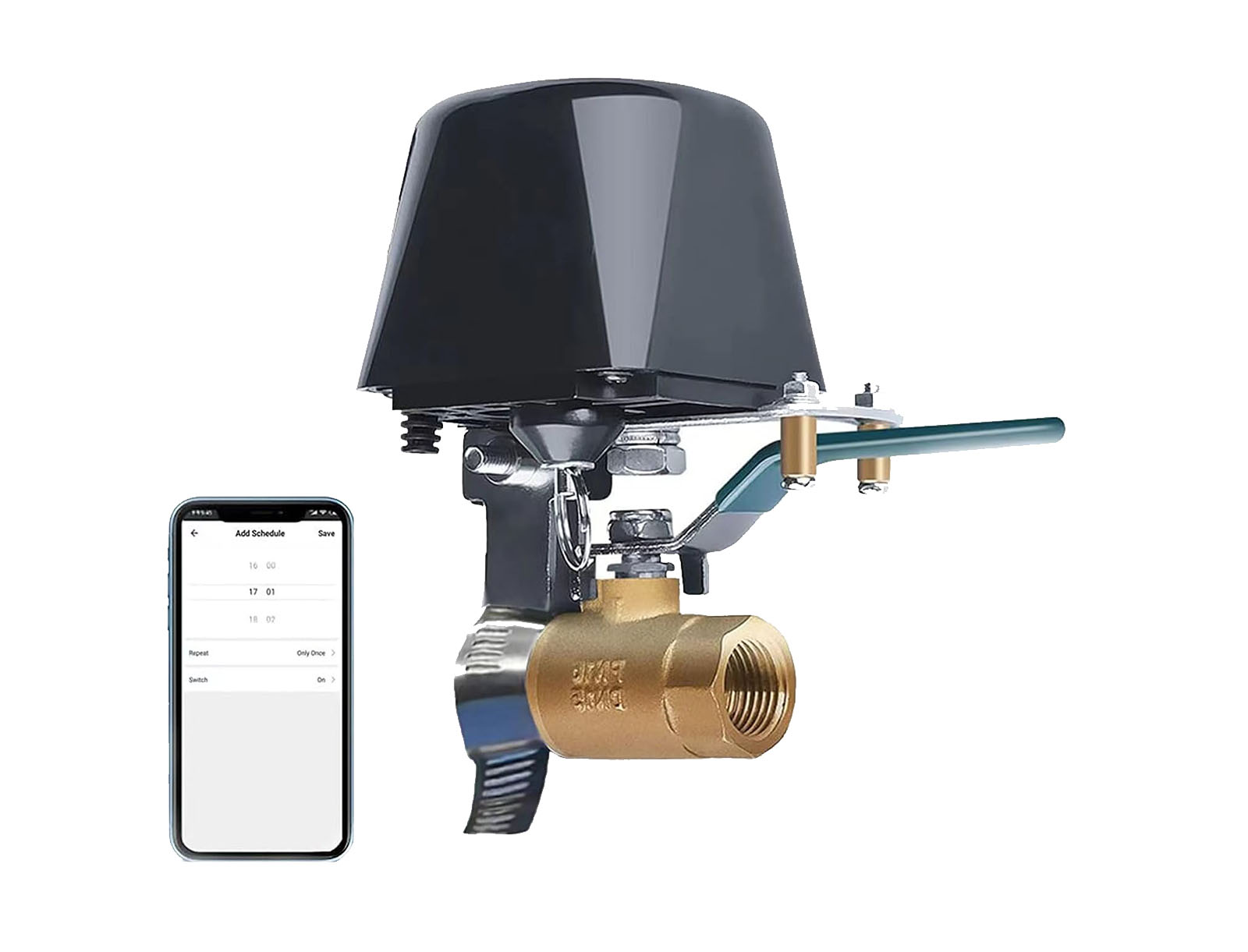
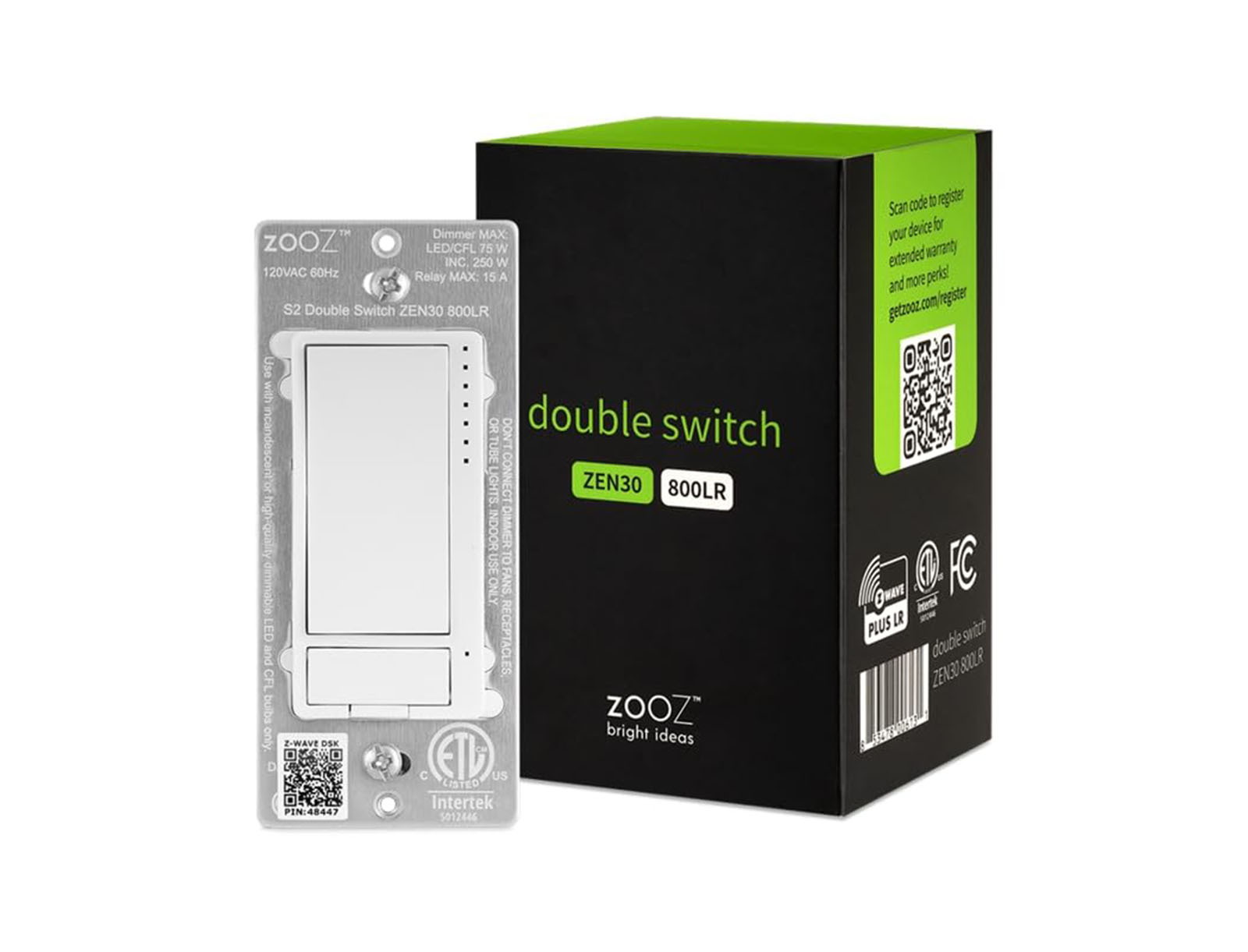
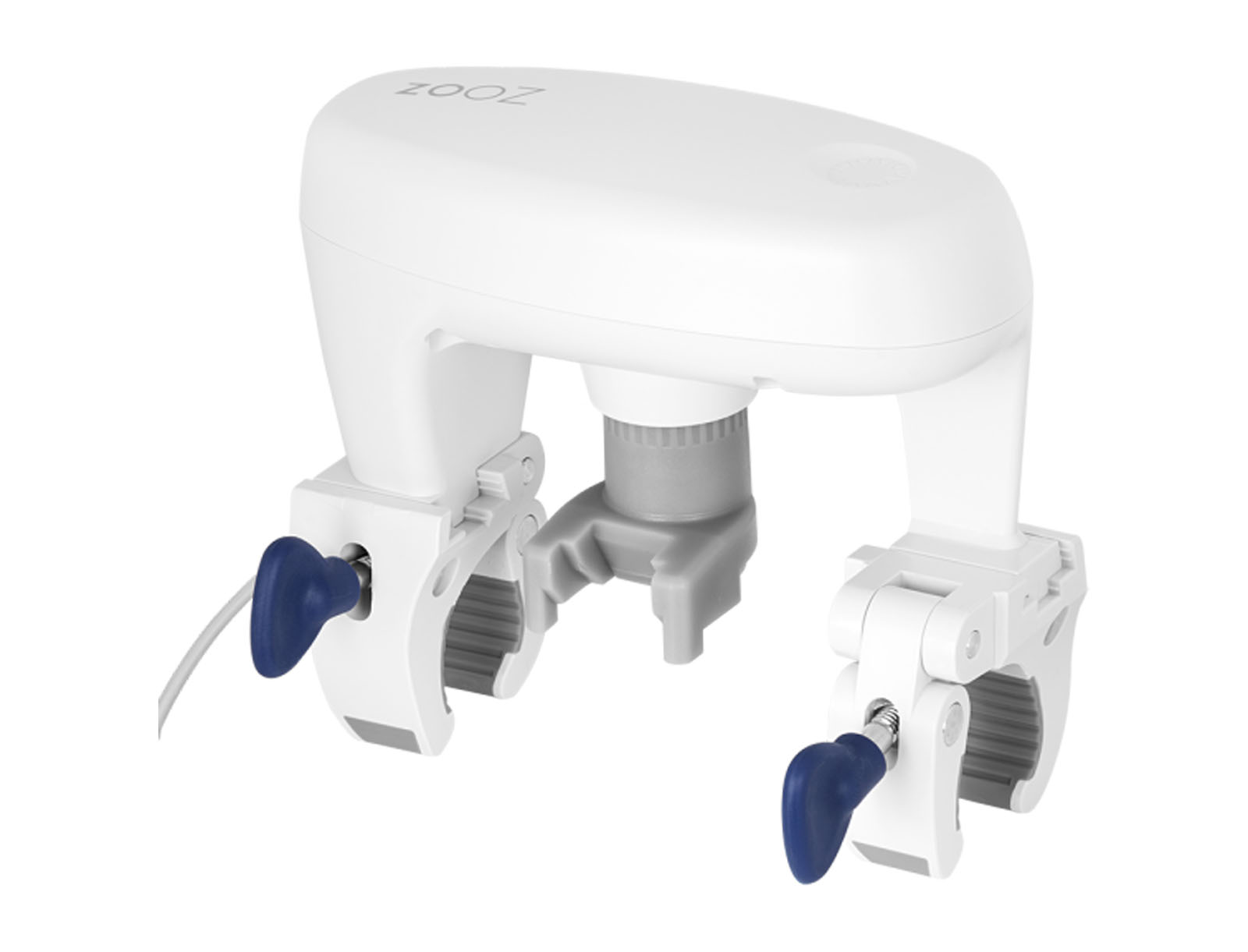
For our rental properties, that typically means combining distributed leak sensors with an automated main water valve such as the Zooz Titan Water Valve.
The main valve protects the property during vacancy by shutting the water off entirely.
Leak sensors provide additional monitoring when the property is occupied and the water needs to remain on.
Those two approaches complement each other.
A leak sensor tells you something is wrong.
A smart water valve gives you the ability to do something about it.
What We Like
The WL2 gets the fundamentals right.
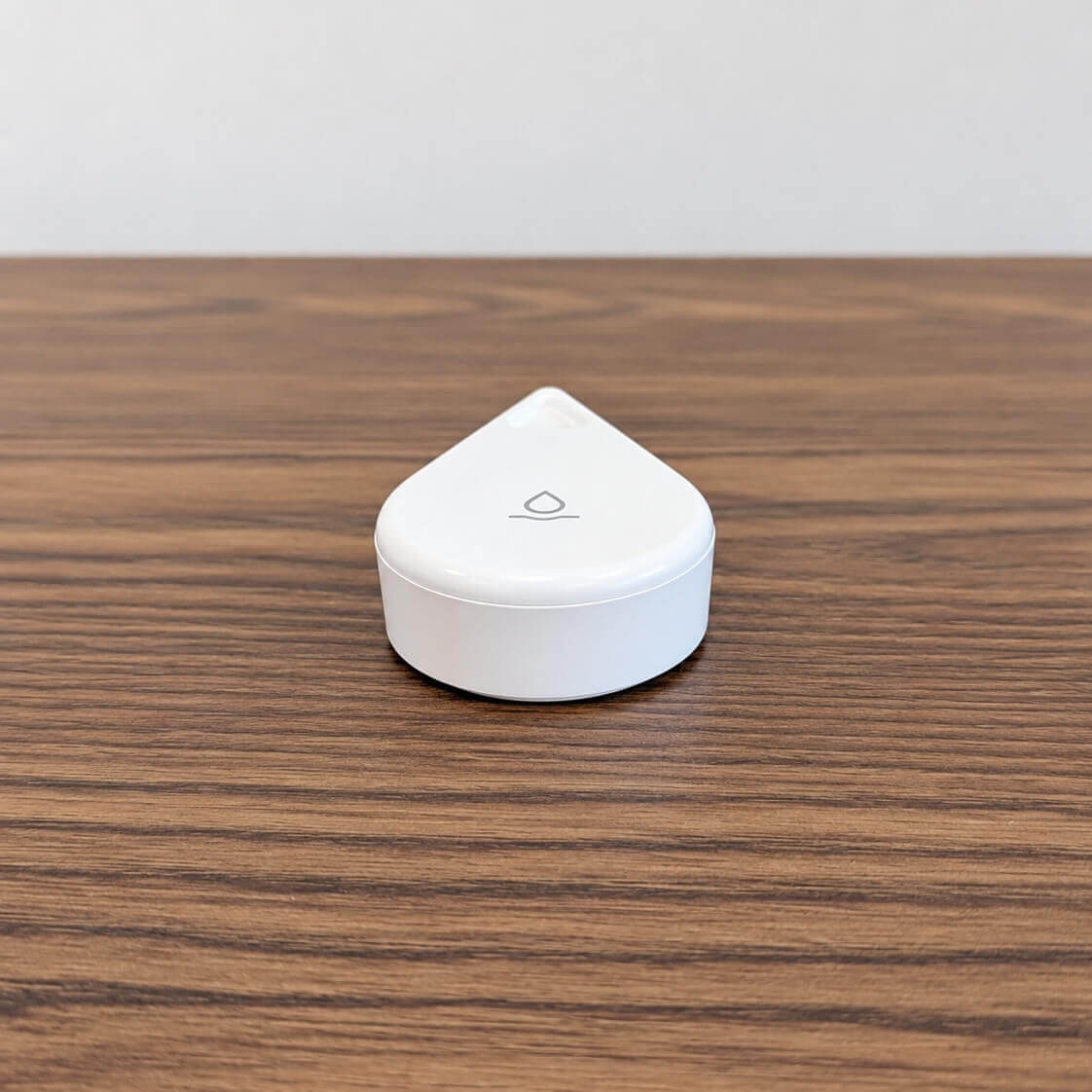
It has a compact, well-built enclosure, uses a proven non-Wi-Fi protocol, takes ordinary AAA batteries, detects water effectively, and stays connected reliably.
But the biggest advantage for a rental property is still the absence of an audible alarm.
Most smart-home leak sensors were designed with the homeowner standing somewhere inside the house in mind.
The WL2 happens to work particularly well for a property where the person who needs to know about the leak may be hundreds of miles away.
What We Don’t Like
There isn’t much we dislike about the WL2.
Our main complaint is that it’s battery powered, although that’s true of almost every practical leak sensor.
The IKEA KLIPPBOK is also generally a less expensive option, making the WL2 slightly harder to justify purely on cost.
And because the WL2 is relatively new, we don’t yet have multiple years of real-world reliability data.
So far, however, we haven’t experienced anything that gives us concern.
Who Should Buy the Third Reality WL2?
We recommend the WL2 for short-term rental owners who:
- Already have a Zigbee-compatible hub
- Want silent leak detection
- Prefer standard AAA batteries
- Want compact sensors that can be distributed throughout the property
- Want alerts delivered to the property manager rather than alarming guests
- Need reliable monitoring while the property is occupied
If you’re building primarily around Matter over Thread, we would also strongly consider the IKEA KLIPPBOK.
If you’re already using Zigbee, the WL2 is difficult to beat.
Rental Home Automator
Third Reality WL2 Water Leak Sensor Review
The Third Reality WL2 is one of the best water leak sensors we've tested for short-term rentals. After more than six months of use, it has remained online, detected water accurately, and required essentially no attention. We like the compact construction. We like the top and bottom water detection. We like Zigbee. We particularly like the use of ordinary AAA batteries. But what makes it stand out for a rental property is the decision to leave out the audible siren. The property manager gets the information needed to respond to a leak without unnecessarily alarming a guest. Combined with a smart water shutoff and a broader rental automation system, the WL2 is an excellent addition to a short-term rental. We consider both the Third Reality WL2 and IKEA KLIPPBOK excellent choices, with the WL2 getting the edge when Zigbee and silent operation are priorities.
-
Suitability for STRs
10/10
Silent alerts, compact design, and excellent rental-friendly operation.
-
One of the cheapest options on the market
-
Flawless in 6+ months of testing, but still too new for a long-term verdict.
-
Easy setup, standard AAA batteries, and virtually no ongoing attention.
The Good
- No audible alarm
- Reliable leak detection
- Top and bottom sensing contacts
- Uses standard AAA batteries
- Strong Zigbee connectivity
- Easy setup and placement
The Bad
- Battery powered
- Slightly higher cost than budget options
- Requires a Zigbee hub
- No extended probe cable option