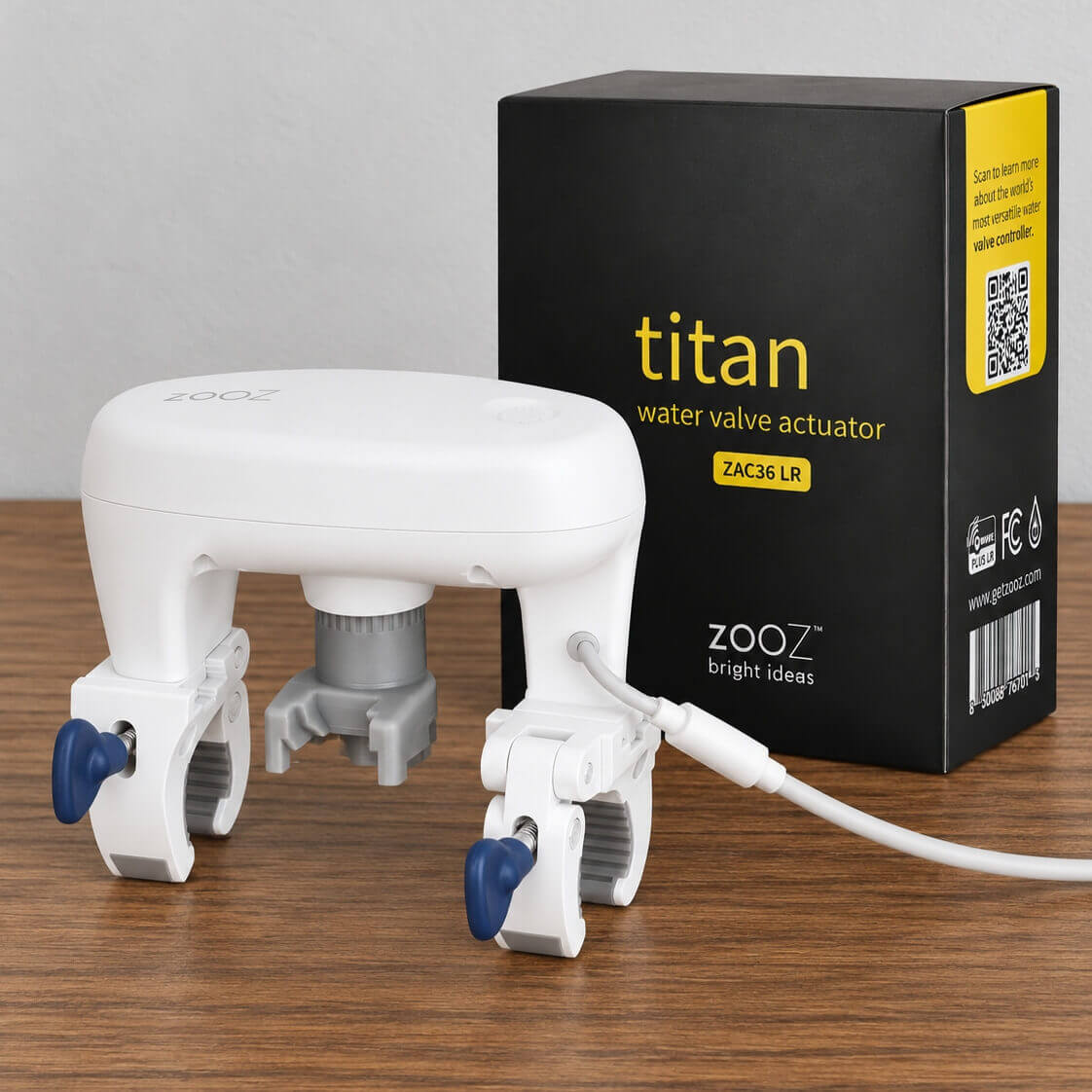
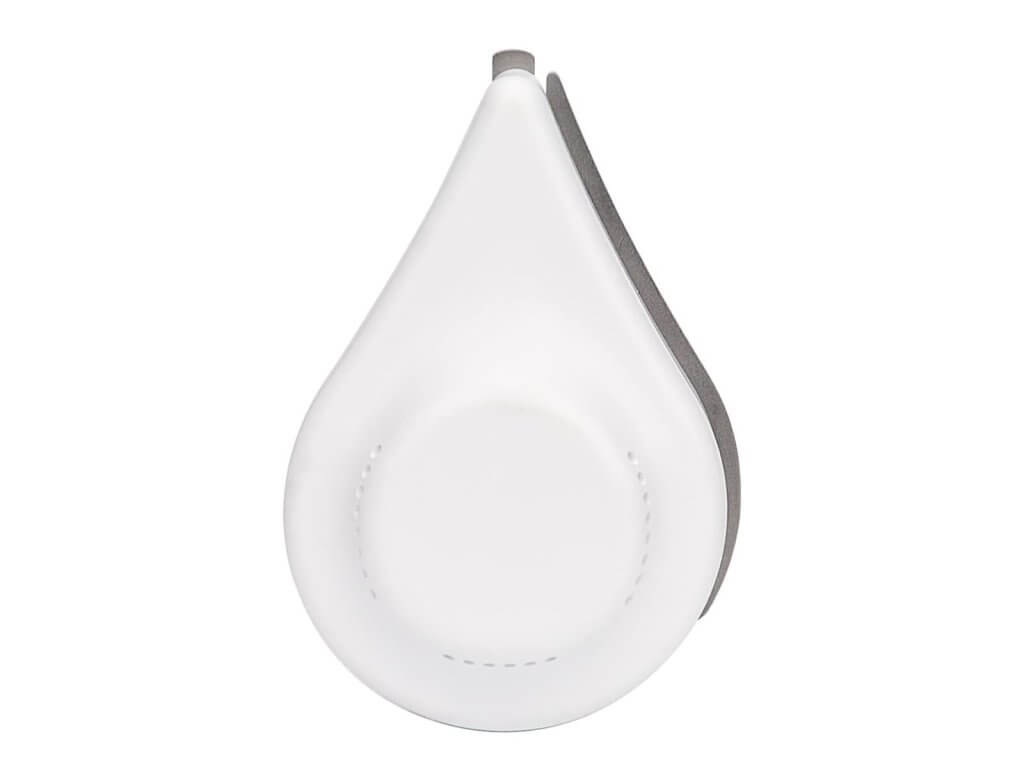
The Zooz Titan Water Valve is the smart water shutoff we recommend for most short-term rentals.
We’ve been testing the Titan in controlled environments and real rental properties for approximately three years, and its performance has been phenomenal. It has reliably opened and closed the main water valve when commanded, accurately detected water through its included leak sensor, and held up extremely well over long-term use.
But reliability isn’t the only reason we recommend it.
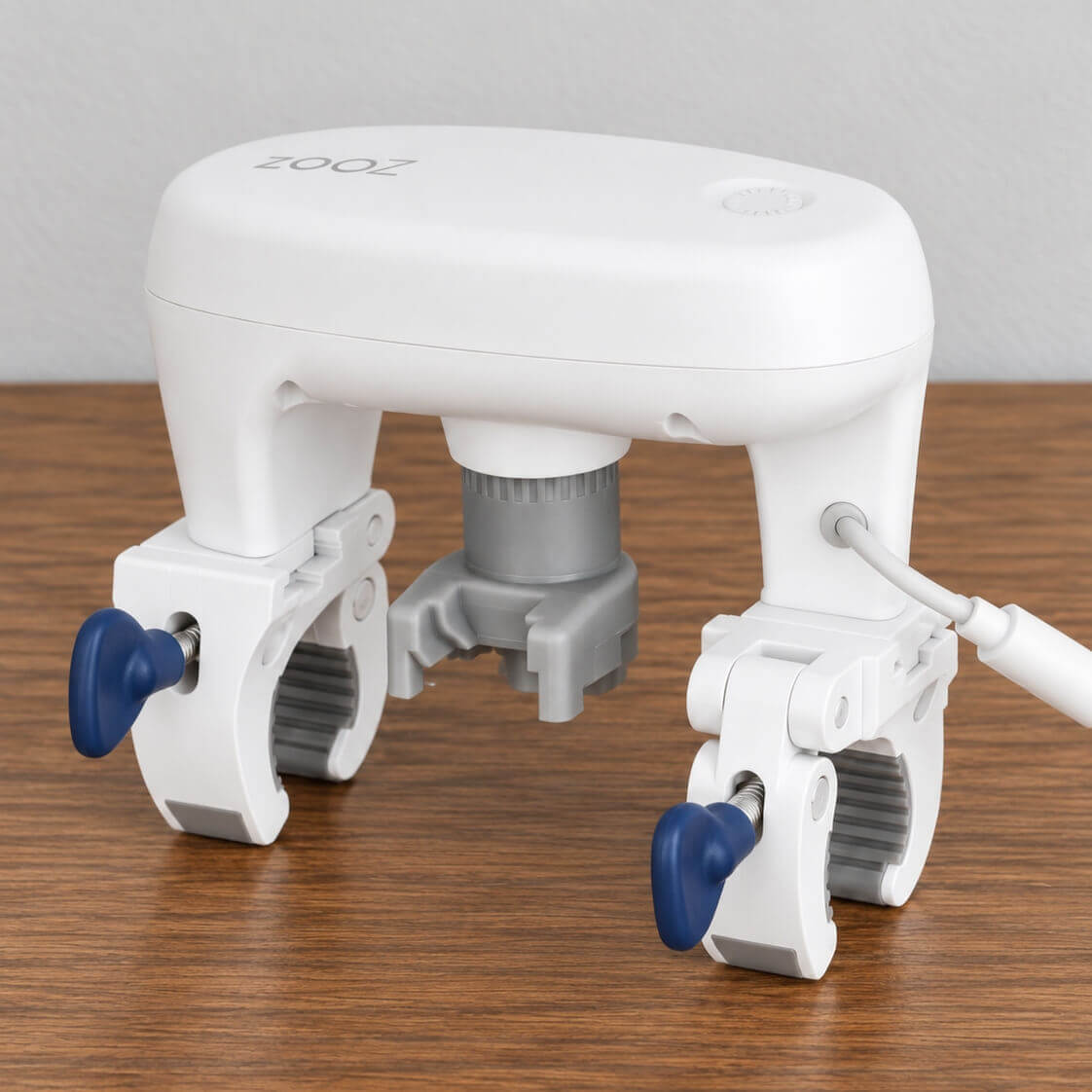
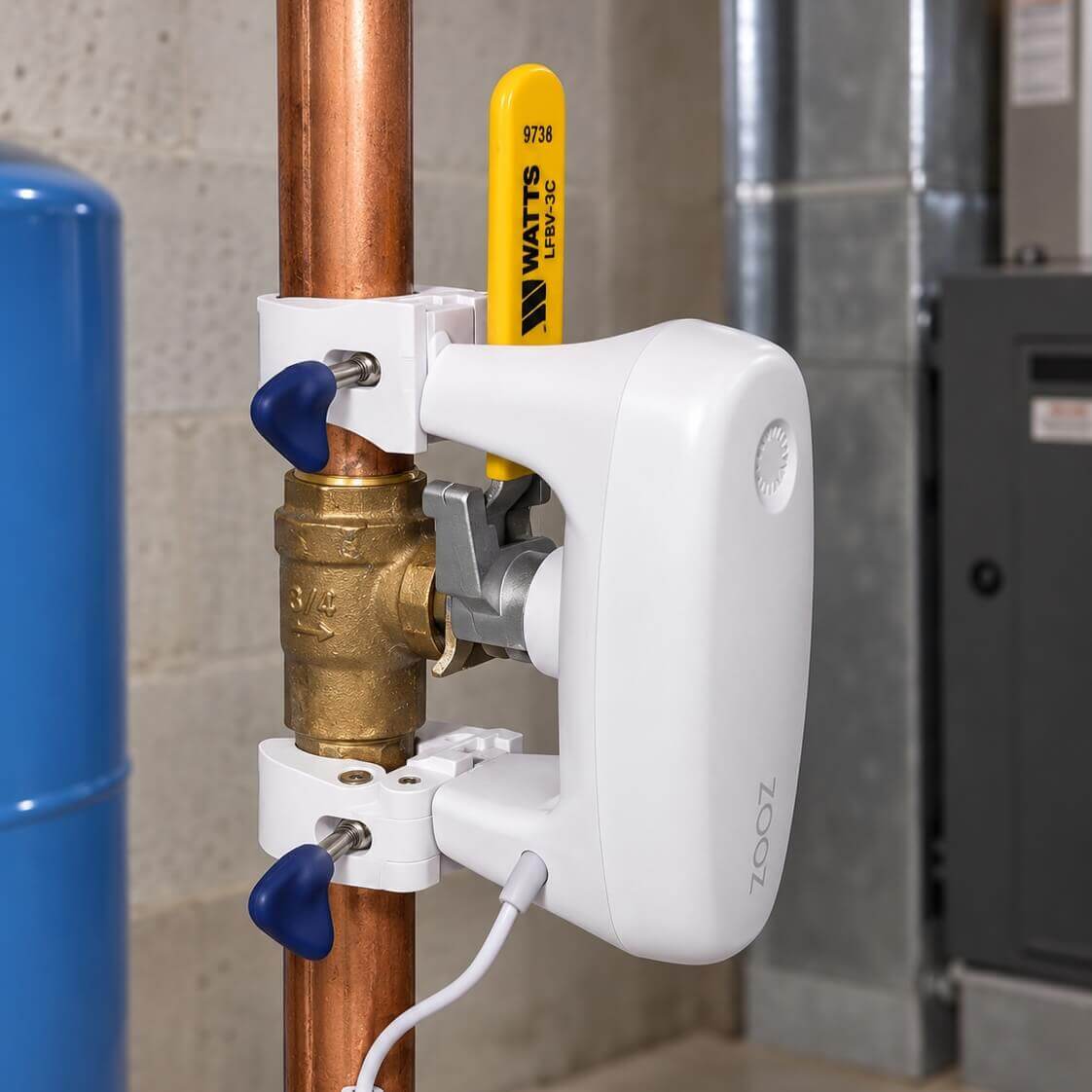
What really separates the Titan from many other smart water-valve actuators is its mechanical design. It’s extremely well built, installs over an existing quarter-turn ball valve without cutting into the plumbing, and—most importantly for a rental property—can be removed from the valve in seconds without tools if something ever goes wrong.
For equipment protecting a remotely managed property, that’s a major advantage.
Why Water Shutoff Automation Matters in a Short-Term Rental
Water damage is one of the most expensive risks facing a vacation rental.
A leaking toilet supply line, failed washing-machine hose, water heater problem, frozen pipe, or other plumbing failure can cause enormous damage if the property is vacant for several days before anyone notices.
That’s why we consider automated water shutoff one of the most valuable additions to a remotely managed rental.
Our preferred strategy is different from consumer water-monitoring systems that try to determine whether water usage looks abnormal. Instead, we prefer using the booking calendar to control the property’s water directly.
When the property is occupied, the water stays on.
When the property becomes vacant, the main water supply can be shut off automatically.
The Zooz Titan is exceptionally well suited to that approach.
Our Experience After Three Years of Testing
We’ve tested the Zooz Titan extensively over approximately three years, both in controlled environments and in real-world rental installations.
Reliability has been excellent.
Open commands open the valve. Close commands close it. The included leak sensor has also detected water reliably during our testing.
That may sound like a low bar, but a main water shutoff is exactly the type of device where boring reliability is what we want.
This isn’t a light switch where an occasional failed command is mildly annoying.
If we’re trusting a device to protect a vacant property from potentially catastrophic water damage, we need confidence that it will operate when commanded.
The Titan has earned that confidence during our testing.
Exceptional Build Quality
The Titan feels substantially more robust than most inexpensive external water-valve actuators we’ve tested.
The motor assembly is large, solid and clearly designed to produce enough torque to operate a real plumbing valve repeatedly.
That matters because quarter-turn ball valves are not all identical. Some move easily, while older valves can become considerably stiffer over time.
Zooz designed the Titan specifically for ball valves, and our experience has been that the actuator operates them smoothly and consistently when the underlying valve is in good condition.
Build quality is one of the primary reasons we continue to recommend the Titan over less expensive alternatives.
Tool-Free Removal Is a Huge Advantage for Rentals
One of our favorite features of the Titan is something that doesn’t sound particularly exciting until you think about failure scenarios.
The actuator can be removed from the valve without tools.
The Titan locks onto its mounting system, but if the actuator itself ever fails, someone at the property can release it and twist it off the valve. The original plumbing valve is then accessible for manual operation.
That is a huge advantage for a remotely managed rental.
We always evaluate critical rental equipment by asking:
What happens when this device fails?
If an in-line smart valve fails, resolving the problem may require tools, plumbing work, or even a plumber.
With the Titan, the smart device remains outside the plumbing system.
A cleaner, maintenance technician, property manager, or owner can remove the actuator and regain manual control of the original valve without modifying the plumbing.
For us, that fail-safe design is almost as important as the automation itself.
No Plumbing Required
The Titan is an external actuator rather than an in-line smart valve.
It mounts around an existing quarter-turn ball valve and physically moves the valve handle.
That means you don’t need to cut the water line apart and install a proprietary valve into the plumbing system.
There are several advantages to this approach:
- No plumbing modifications
- No special smart valve permanently installed in the water line
- Original manual valve remains in place
- Easier replacement if the smart device fails
- Much simpler installation and maintenance
For a rental property, we strongly prefer this design.
Critical systems should be as easy as possible to return to manual operation.
Make Sure You Have Enough Space
The biggest installation limitation is physical clearance.
The Titan works with many common ball-valve configurations, but the actuator is fairly large. You need enough room around the existing valve for the body of the Titan and its mounting system.
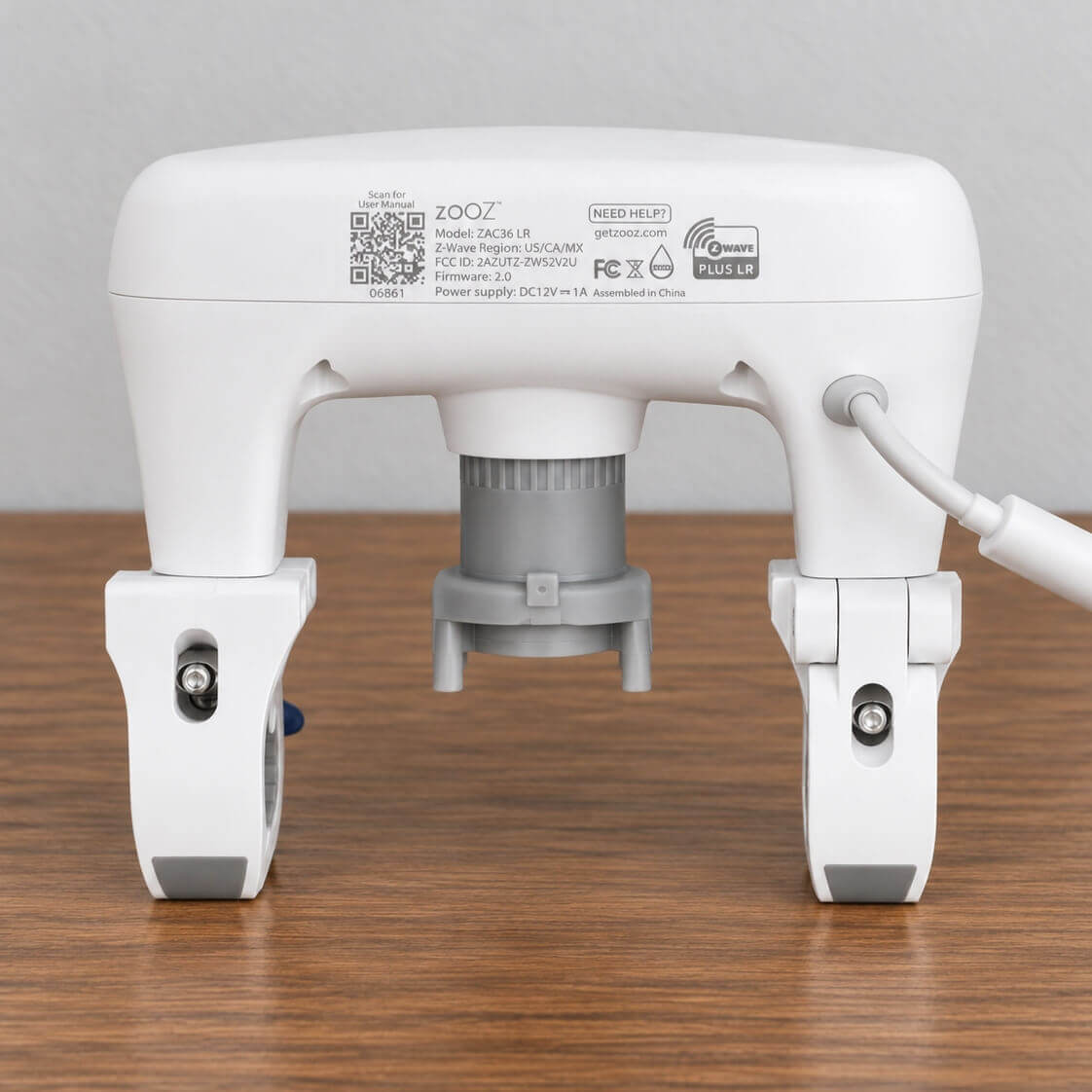
Zooz specifies support for ball valves from ½ inch through 1¼ inches and requires clearance around the valve, handle, pipe and nearby wall.
That means you should measure before ordering.
This is especially important in mechanical rooms, utility closets, crawl spaces, and other locations where the main shutoff valve may have been installed very close to a wall, another pipe, or other equipment.
When there is sufficient space, installation is straightforward.
When there isn’t, the Titan may simply not fit.
Z-Wave Only
The other major limitation is connectivity.
The Zooz Titan is currently a Z-Wave device.
We like Z-Wave and have used it extensively in rental properties, so this isn’t necessarily a disadvantage for us. Z-Wave remains particularly well suited to devices such as locks, switches, sensors, and water valves.
But it does limit which smart-home platforms can control the Titan.
You need a hub that still supports Z-Wave.
That’s increasingly important as some newer consumer smart-home platforms focus primarily on Matter, Thread, Wi-Fi, or proprietary ecosystems.
We would love to see Zooz eventually offer the Titan using additional protocols—particularly as the smart-home market evolves—but today this is fundamentally a Z-Wave product.
If your automation platform doesn’t support Z-Wave, the Titan probably isn’t the right valve for your setup.
Included Leak Sensor
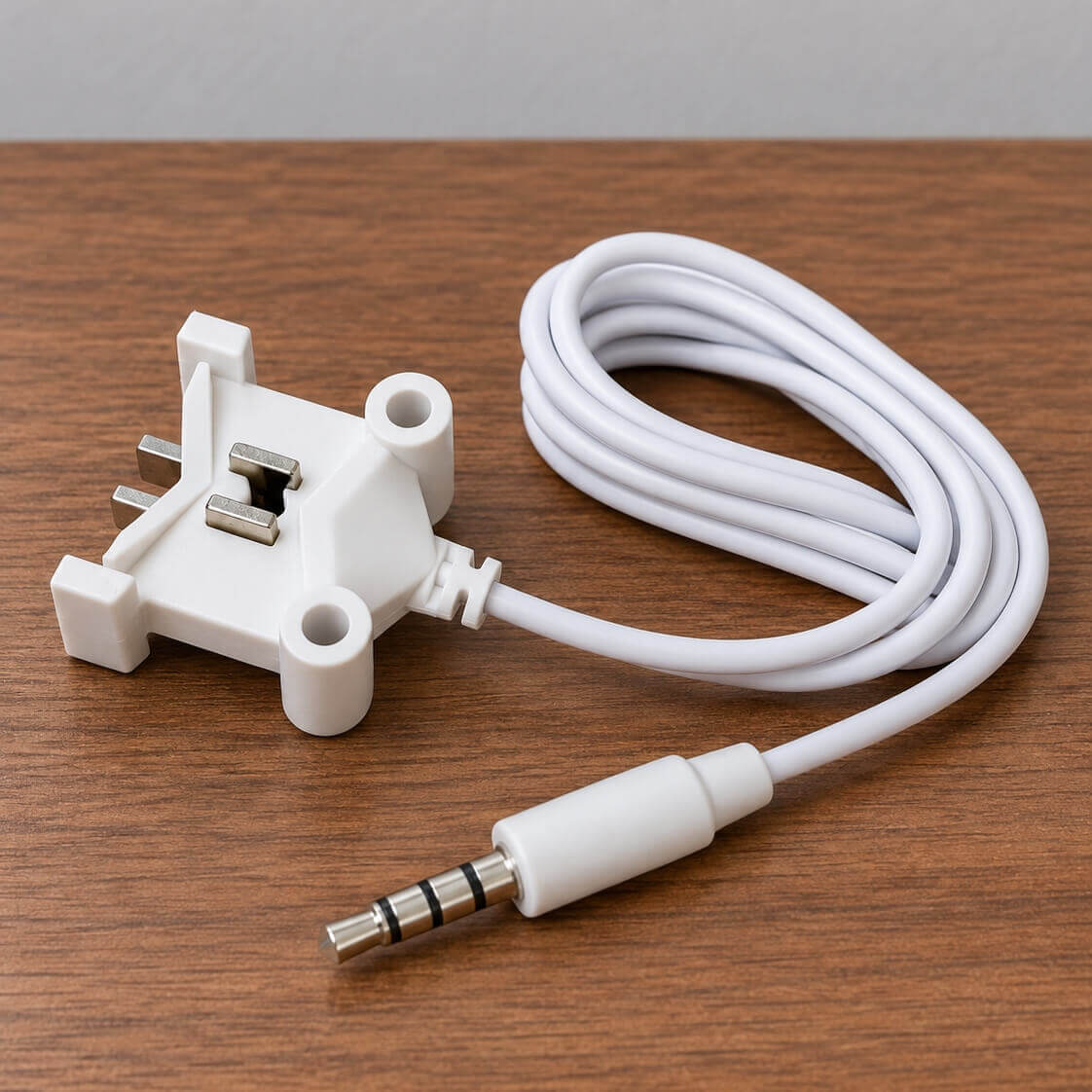
The Titan includes a wired water-sensor probe that connects directly to the actuator. No batteries needed.
This gives the device local leak-detection capability in addition to its primary function as a water-valve actuator.
During our testing, the included sensor has been very reliable at detecting water.
That’s useful if the Titan is installed near equipment such as a water heater, utility sink, filtration system, or another area where water could accumulate.
For broader protection, we still recommend placing additional leak sensors throughout the property near high-risk locations such as:
- Toilets
- Sinks
- Washing machines
- Dishwashers
- Water heaters
- Refrigerators
- Mechanical equipment
Those sensors can then be incorporated into the larger automation and alerting system.
But having a wired sensor included with the Titan is a nice additional layer of protection.
One Reporting Quirk We’ve Noticed
There is one behavioral quirk worth understanding.
When you send the Titan an open or close command, it does not immediately report the final valve state.
Instead, it waits until the actuator has completed the entire movement before reporting the valve as fully open or fully closed.
In our testing, a complete cycle can take approximately 15–20 seconds.
That isn’t a reliability problem—the Titan has consistently completed the commanded operation—but it can make the device appear slow in an app or automation dashboard.
For example, you may send a close command and continue seeing the previous state until the actuator reaches the fully closed position.
Once you understand the behavior, it isn’t a major issue.
In fact, there is an argument that reporting the final state only after the mechanical movement is complete is more accurate than immediately assuming a command succeeded.
But anyone building automations around valve-state reporting should account for that delay.
Newer Units Have a Plastic Component
We’ve also noticed a physical change between older and newer Titan units.
Our original Titan used a metal component around the valve mechanism, while a newer unit we purchased uses a plastic component in that area.
At first glance, seeing plastic replace metal on such a heavy-duty device can look like a downgrade.
According to Zooz, however, this was an intentional design change. The company says the newer material prevents the actuator mechanism from grinding against the metal valve lever and improves long-term durability.
Based on everything else we’ve seen from the Titan, we don’t currently consider the change a concern.
Our newer unit has continued to operate reliably.
It’s simply worth mentioning because owners comparing an older Titan with a newer one may notice that the hardware is not identical.
Why We Prefer the Titan Over Cheaper Alternatives
There are much less expensive external valve actuators available.
We’ve tested some of them, including the Jinvoo Smart Water Valve, and several have performed surprisingly well.
But a water shutoff isn’t a device where we automatically choose the cheapest option.
The Titan feels like equipment designed for a critical job.
Its heavy-duty construction, powerful actuator, mounting design, tool-free removal, included leak sensor, IP66 rating, and long-term reliability justify paying more for it when we’re protecting an expensive property.
For a secondary application or budget-conscious installation, a less expensive actuator may make sense.
For the main water supply at a remotely managed rental, we still prefer the Titan.
The Biggest Drawback: Cost
The biggest downside is straightforward:
The Zooz Titan is expensive compared with many external smart valve actuators.
Couple that with the fact that you may need to buy a Z-Wave hub to get this device connected, and you have a bigger expense. But you should expect to pay significantly more for the Titan than for many generic Zigbee, Wi-Fi, or Thread valve controllers.
Normally we care quite a bit about device cost.
Here, we’re less concerned.
This device is protecting the property from an event that could cause thousands—or tens of thousands—of dollars in damage.
After three years of reliable operation, we’d rather pay more for the Titan than save money on the component responsible for controlling the main water supply.
Rental Home Automator
Zooz Titan Water Valve Review
After approximately three years of controlled and real-world testing, the Zooz Titan remains our recommended smart water valve for short-term rentals. Its reliability has been phenomenal. It consistently opens and closes when commanded. The included leak sensor has worked reliably. The construction is exceptionally robust, and its external-actuator design means you don't have to permanently modify the plumbing. Most importantly, if something ever does fail, the Titan can be removed from the existing valve quickly and without tools. That's exactly how we want critical rental equipment designed. The downsides are real: it's expensive, it requires physical clearance around the valve, it's currently Z-Wave only, and final open/closed status isn't reported until the actuator completes its roughly 15–20 second cycle. None of those outweigh the advantages for us. For a compatible Z-Wave rental property, the Zooz Titan is still the water-valve actuator we trust most.
-
Suitability for STRs
10/10
Reliable, fail-safe, and extremely well suited to protecting vacant rental properties.
-
Expensive compared with simpler actuators, but worth it for a mission-critical device.
-
Phenomenal performance throughout three years of controlled and real-world testing.
-
Can be removed from the valve without tools if the actuator ever fails.
The Good
- Exceptional build quality
- Extremely reliable operation
- Tool-free removal if the device fails
- Included wired leak sensor
- Original valve remains available for manual operation
- Works with many ball-valve configurations
The Bad
- More expensive than most external valve actuators
- Requires adequate clearance around the valve
- Z-Wave is the only connectivity option
- Final open/closed status can take 15–20 seconds to report