
Short-term rentals come with the promise of passive income—but anyone who’s managed more than one property knows the truth: manual operations don’t scale.
Late-night lockouts. Forgotten thermostat changes. Emergency calls when you’re hundreds (or thousands) of miles away.
The difference between active hosting and true passive income isn’t the platform—it’s automation.
Smart home technology has quietly become the backbone of remote property management, allowing owners to operate, secure, and optimize rentals without being physically present. When deployed correctly, these systems turn properties into self-managing assets rather than constant obligations.
What “Remote Property Management” Actually Means
Remote management isn’t about checking cameras or opening doors from your phone all day. That’s still active work.
True remote management means:
- No manual access coordination
- No temperature adjustments between guests
- No constant monitoring
- No on-site staff for routine operations
Instead, devices respond automatically to reservation data, schedules, and conditions, creating a closed-loop system that runs in the background.
This is where smart home tech shifts from “nice to have” to income-enabling infrastructure.
The Smart Home Stack That Enables Passive Income
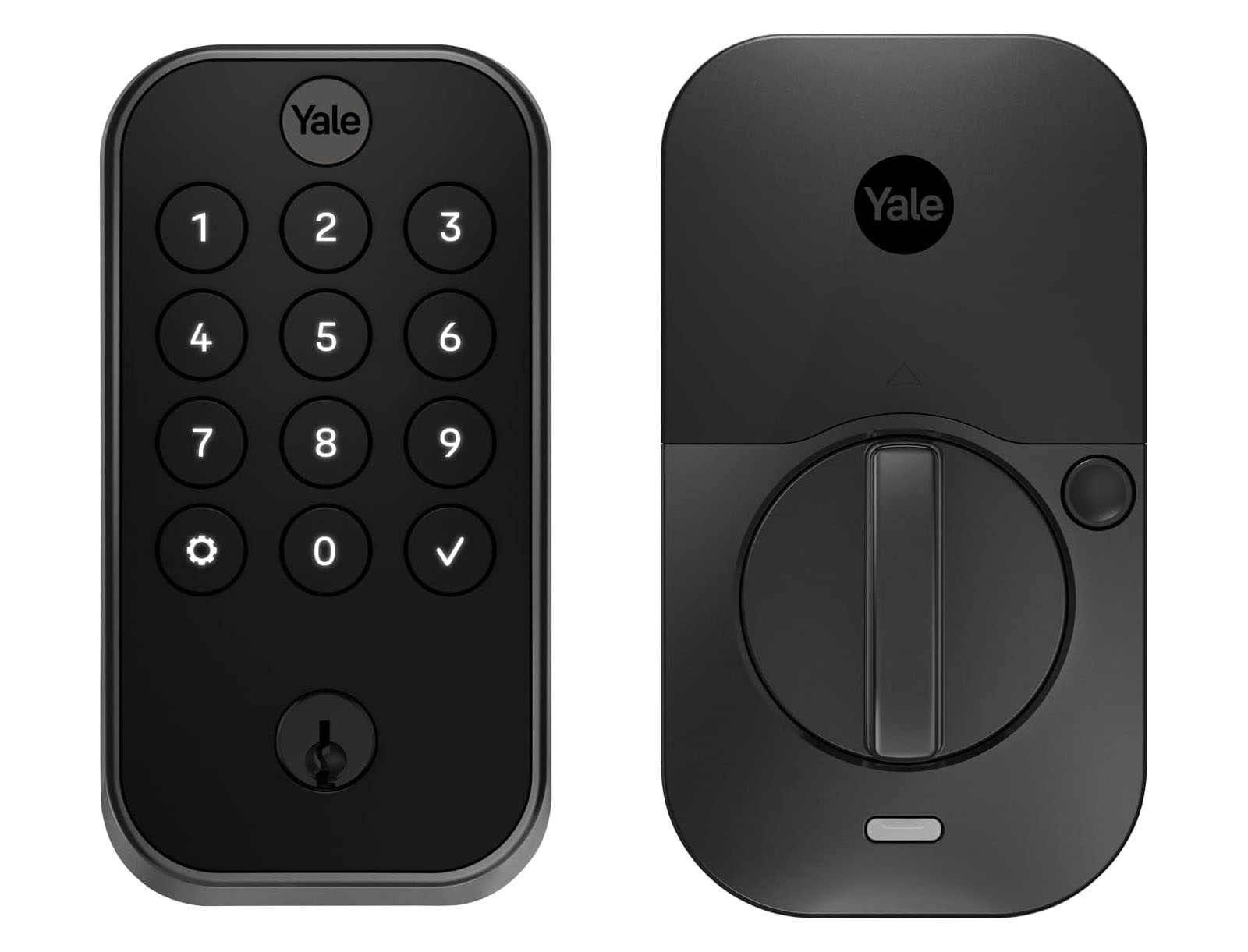
1. Smart Locks: Automated, Secure Guest Access
Smart locks are the foundation of remote operations.
When integrated properly, they allow:
- Automatic creation and removal of guest access codes
- Time-bound access tied to check-in and check-out
- Elimination of key exchanges, lockboxes, and manual resets
Z-Wave and Zigbee locks are especially valuable for rental properties because they:
- Have the longest battery life
- Are more reliable than many Wi-Fi locks
- Integrate cleanly with automation platforms
The result: guests get seamless access, owners get predictable security, and properties reset themselves between stays.
2. Smart Thermostats: Hands-Off Climate Control
Thermostats are one of the biggest hidden costs in short-term rentals—both financially and operationally.
Smart thermostats enable:
- Automatic temperature changes based on occupancy
- Energy savings during vacancy periods
- Pre-conditioning before guest arrival
- Protection against extreme heat or freezing damage
When tied to booking calendars or occupancy states, climate control becomes fully autonomous, improving guest comfort while reducing utility costs.
This is where passive income becomes predictable income.

3. Sensors: Invisible Protection, Real Risk Reduction
Sensors are often overlooked, but they’re critical for managing properties remotely.
Common use cases include:
- Water leak detection to prevent catastrophic damage
- Door and motion sensors to confirm vacancy states
- Temperature sensors for freeze or heat alerts
- Smoke and CO detection monitoring
These devices don’t require daily interaction—but they dramatically reduce risk, insurance claims, and emergency situations that destroy “passive” income assumptions.


4. Smart Switches & Plugs: Operational Consistency at Scale
Lighting, exhaust fans, water heaters, and other systems don’t need to be “smart” individually—they just need to be controllable.
Smart switches and plugs allow:
- Automatic shutoff after checkout
- Scheduled operation based on time or occupancy
- Centralized control across multiple properties
At scale, this ensures every unit behaves the same way, regardless of location.
Consistency is what allows owners to manage 10, 20, or 100 properties with the same mental load as one.


From Devices to Systems: The Key Shift Most Owners Miss
Buying smart devices doesn’t create passive income.
Connecting them into automated systems does.
The most effective remote setups share three traits:
- Calendar-driven automation (devices respond to bookings)
- Fail-safe logic (retries, alerts, and backups)
- Reliable operation (devices work consistently)
When devices act independently, owners still babysit them.
When devices act as a system, properties run themselves.
That’s the unlock.
Managing Properties Globally Without Losing Control
Once automation is in place, geography stops mattering.
Owners can:
- Operate rentals in different cities or countries
- Scale portfolios without hiring local staff
- Maintain consistent guest experiences across regions
- Reduce operational costs while improving reviews
Smart home tech doesn’t just save time—it removes physical presence as a requirement for ownership.
That’s what transforms short-term rentals from a job into an asset class.

Passive Income Isn’t About Doing Nothing—It’s About Designing Systems
The most successful rental operators aren’t working less because they care less.
They’re working less because:
- Decisions are made once, not repeatedly
- Devices act automatically, not reactively
- Systems handle edge cases without intervention
Smart home technology is no longer experimental or optional—it’s the infrastructure that makes remote property management viable at scale.
If more passive income is the goal, automation isn’t a feature—it’s the strategy.
Smart home automation transforms short-term rentals into self-managing assets by connecting booking data directly to property devices.
Ready to Turn Rentals Into Truly Passive Income?
Smart devices are powerful—but automation is what makes them work together. Rental Home Automator connects your booking calendar to locks, thermostats, sensors, and more—so your properties manage themselves, no matter where you are.