ThirdReality has become one of our favorite smart-home manufacturers for short-term rental sensors. After extensive hands-on testing across its Zigbee product lineup, we’ve been consistently impressed by the company’s combination of reliability, affordability, straightforward setup, and practical design.
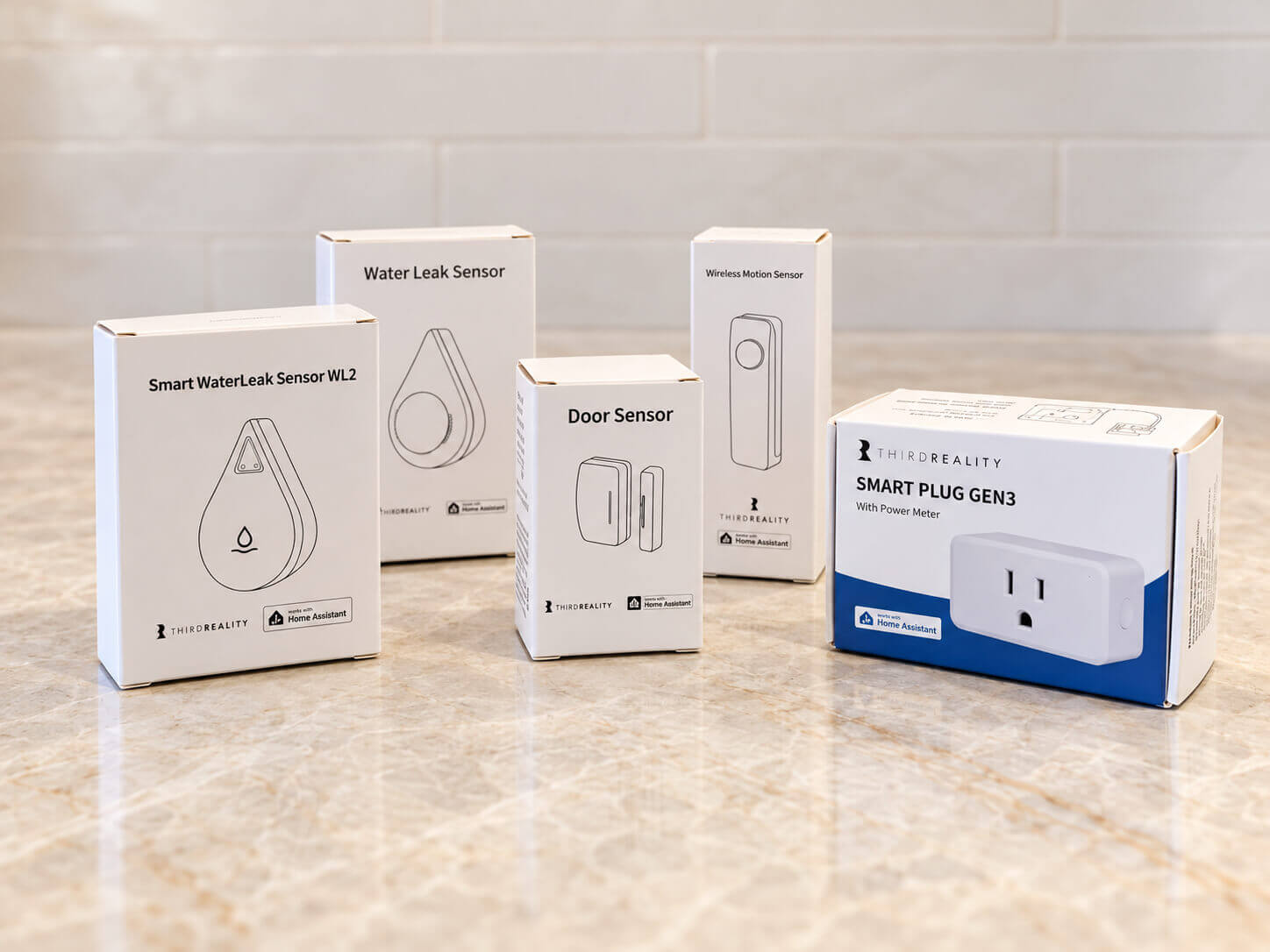
We’re particularly enthusiastic about the ThirdReality WL2 Water Leak Sensor, Zigbee Door and Window Sensor, and Wireless Motion Sensor. All three deliver the capabilities we need at a rental property without requiring proprietary hubs, cloud-dependent Wi-Fi connections, or expensive replacement batteries.
That doesn’t mean every ThirdReality product gets our recommendation.
We’ve also tested devices that disappointed us. The original ThirdReality Water Leak Sensor has several frustrating design flaws, and our Vibration Sensor stopped functioning entirely after just a few months. Although we’ve also tested the company’s smart plugs, we still prefer the Eve Energy for that category.
Our verdict: ThirdReality is one of the strongest Zigbee sensor ecosystems we’ve tested, but we’d selectively purchase its best devices rather than commit to the entire lineup.
Here’s why.
Why We’ve Become Fans of ThirdReality
When choosing smart-home devices for a short-term rental, we care about different things than the average homeowner.
We don’t need flashy apps or endless customization options. We need hardware that connects reliably, reports its status accurately, and continues working without requiring frequent attention.
A sensor installed behind a washing machine may sit untouched for months. A contact sensor on an exterior door might trigger hundreds of times. A motion sensor needs to activate a hallway light consistently without requiring guests to troubleshoot anything.
Those are the standards we use when evaluating smart-home equipment.
ThirdReality has done particularly well in these areas.
Across the products we recommend, several advantages stand out:
- Zigbee connectivity: Devices connect through a compatible smart-home hub rather than individually joining the property’s Wi-Fi network.
- Standard AAA batteries: Many of the company’s sensors use inexpensive, widely available batteries that are easy to replace.
- Reliable detection: Our recommended motion, contact, and leak sensors have performed consistently during testing.
- Affordable pricing: ThirdReality makes it practical to install multiple sensors throughout an entire property.
- Broad hub compatibility: Many devices work with Zigbee-capable platforms such as SmartThings, Hubitat, Home Assistant, and Homey.
Most importantly, ThirdReality generally focuses on simple devices that perform a specific task well.
We appreciate that approach.
For a rental property, a dependable sensor is more valuable than a sophisticated device with features that don’t work consistently.
Our Testing: Real Devices, Real-World Reliability
We’ve purchased and tested multiple ThirdReality products, including sensors and smart plugs, rather than relying entirely on specifications or manufacturer claims.
Our testing has focused on installation, hub pairing, ongoing connectivity, sensor responsiveness, battery accessibility, and how useful each device would be in a short-term rental.
We also pay attention to the problems that become apparent only after ownership.
A product that pairs quickly but repeatedly disconnects isn’t useful. A sensor with excellent detection capabilities can still be frustrating if changing its batteries requires removing several screws. A smart plug that doesn’t restore its previous state after an outage may create operational problems.
These details influence our recommendations.
Our experience with ThirdReality has been overwhelmingly positive, especially with its newer sensors.
However, our testing also uncovered two important exceptions: the original water leak sensor and vibration sensor.
We believe those negative experiences are just as important to document as the successes.
ThirdReality Zigbee Devices: Our Testing and Recommendations
We’ve tested several ThirdReality products extensively, and the company’s contact, motion, and leak sensors have become some of our favorites. However, not every product performed equally well.
Here’s our assessment of the devices we’ve used, with links to our individual reviews for more detailed testing results.
ThirdReality WL2 Water Leak Sensor — Our Top Pick
Verdict: Highly Recommended
The ThirdReality WL2 is currently our favorite water leak sensor for short-term rentals. It has been exceptionally reliable throughout our testing, and we particularly appreciate its silent operation, sensing contacts on both the top and bottom, and easy-to-replace AAA batteries.
For vacation rentals, we prefer silent sensors that notify the property manager rather than sounding an alarm that might disturb or confuse guests. Combined with a compatible Zigbee hub and properly configured notifications, the WL2 is an excellent choice for monitoring sinks, water heaters, and appliances.
The newer WL2 also addresses several of the design frustrations we encountered with ThirdReality’s original water leak sensor.

ThirdReality Contact Sensor — One of Our Favorites
Verdict: Highly Recommended
ThirdReality’s Contact Sensor has been consistently fast and reliable in our testing. It’s an excellent option for monitoring doors, windows, owner closets, and utility spaces at a rental property.
We also appreciate its simple design and standard AAA batteries, which make long-term maintenance considerably easier.
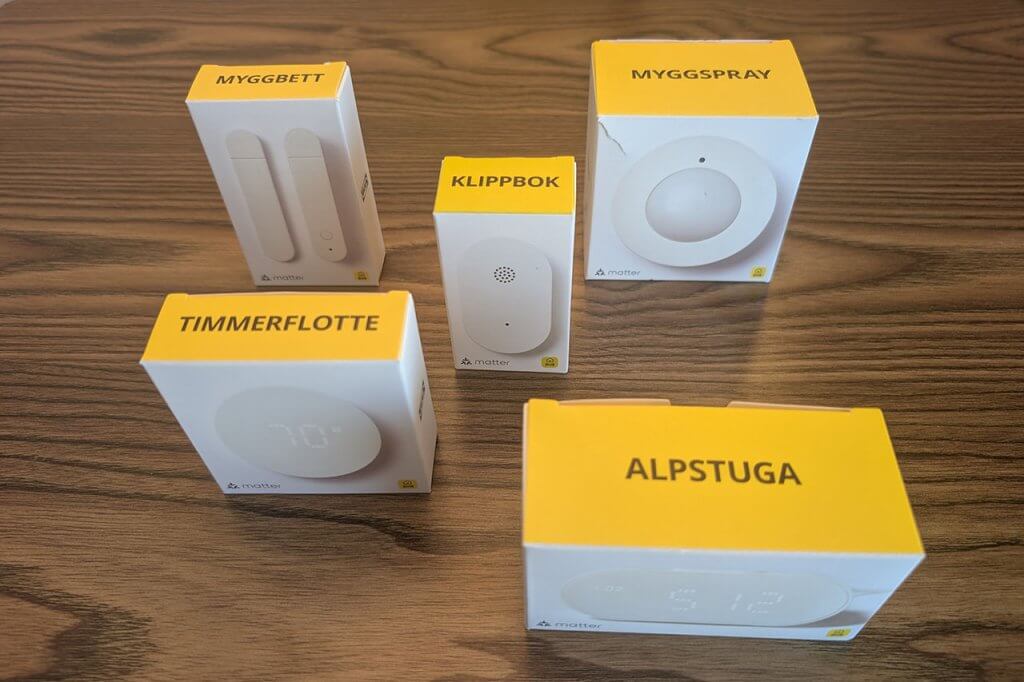
This is one category where the decision is extremely close. We like the ThirdReality contact sensor and IKEA’s Matter-over-Thread MYGGBETT almost equally. We’d generally choose whichever fits the property’s existing Zigbee or Thread network.

ThirdReality Wireless Motion Sensor — Our Preferred Motion Sensor
Verdict: Highly Recommended
Of the affordable motion sensors we’ve tested, ThirdReality’s Zigbee Motion Sensor is probably our favorite.
It’s responsive, reliable, easy to pair, and powered by standard AAA batteries. For short-term rentals, we primarily recommend motion sensors for automatic hallway, stairway, and entry lighting rather than attempting to determine whether an entire property is occupied.
We also prefer it over IKEA’s MYGGSPRAY, which has performed well at motion detection but has a bulkier design and less consistent illuminance measurements in our testing.

ThirdReality Zigbee Smart Plugs — Gen 3 Is a Major Improvement
Verdict: Gen 3 Highly Recommended for Zigbee Installations | Gen 2 Not Recommended
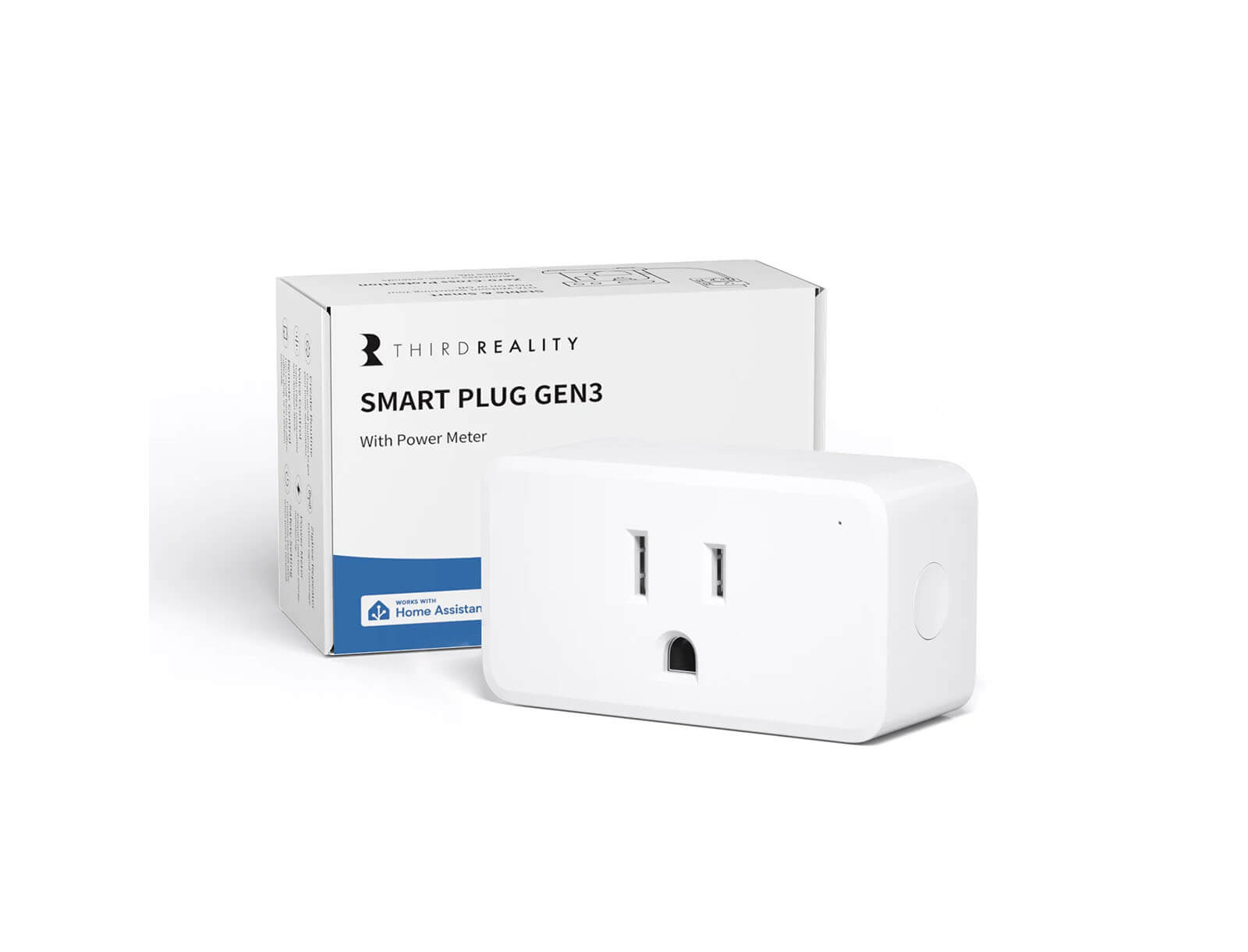
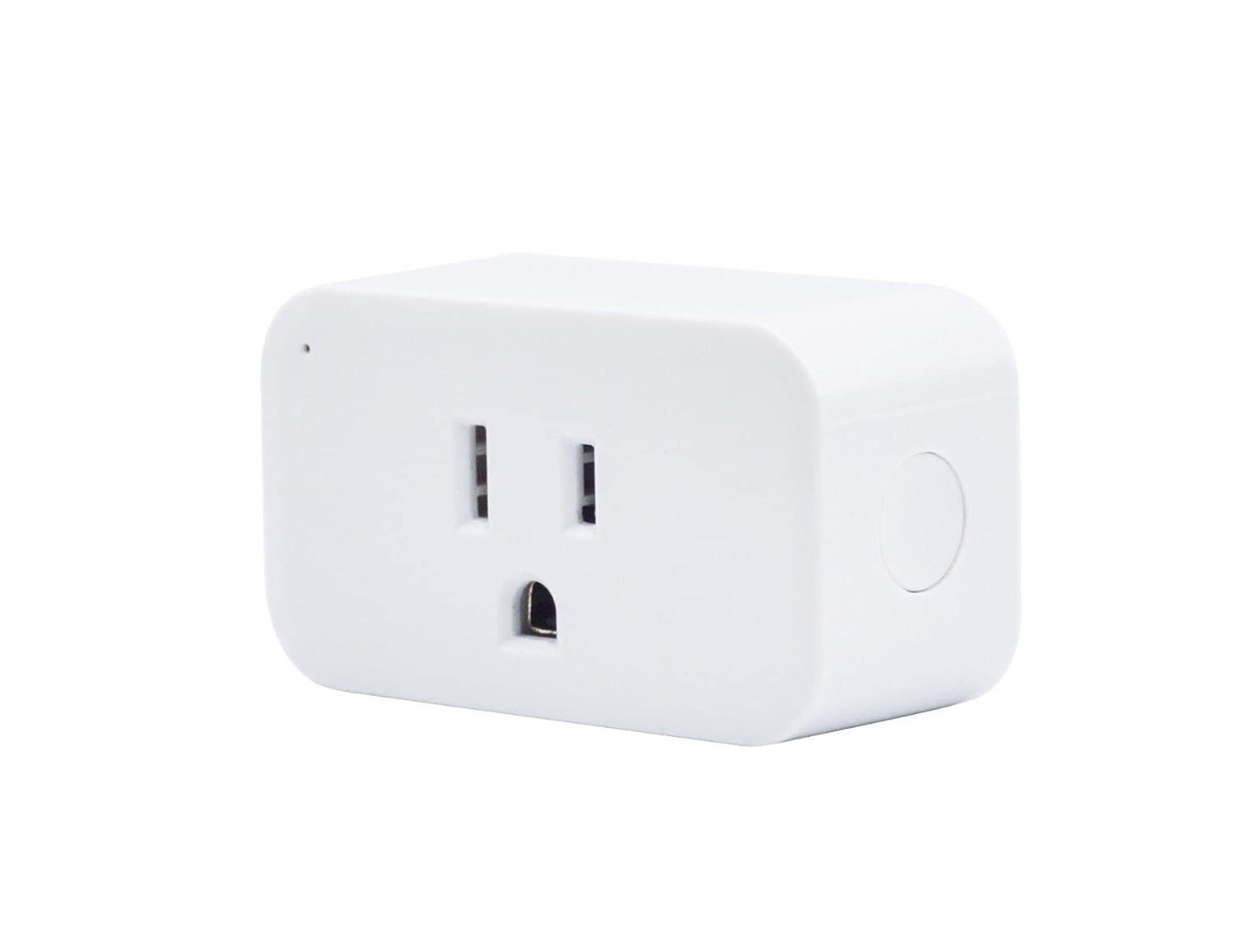
We’ve tested both the ThirdReality Zigbee Smart Plug Gen 2 and Gen 3, and the newer Gen 3 addresses several of our biggest complaints about the previous model.
The Gen 2 could be frustrating to pair with our Zigbee network, and we encountered problems with its power-restoration behavior. After losing power, the plug would turn back on rather than reliably restoring its previous state—an important consideration when controlling devices at an unattended rental property.
The Gen 3 has been a significant improvement. We’ve experienced more reliable connectivity, better pairing, and improved power-restoration behavior. ThirdReality also added energy monitoring, making the newer plug considerably more useful.
For the price, we’re genuinely impressed. Gen 3 is an excellent budget option for lighting, lamps, and other noncritical electrical devices, particularly if you’re building an entirely Zigbee-based smart-home network.
We still prefer the Eve Energy Matter-over-Thread smart plug overall. Eve feels more refined and offers the premium hardware experience we’d choose for our primary installations. However, ThirdReality Gen 3 delivers excellent value where price matters more than premium construction.
Our recommendation: Buy the Gen 3 if you want an affordable Zigbee smart plug. We see little reason to purchase the older Gen 2 today.
Read our ThirdReality Smart Plug Gen 2 review for the limitations we encountered with the earlier model. Our full Gen 3 review covers the improvements in more detail.
ThirdReality Water Leak Sensors — The WL2 Is Our Top Pick
Verdict: WL2 Highly Recommended | Original Model Not Recommended
We’ve tested both the original ThirdReality Zigbee Water Leak Sensor and the newer WL2, and the improvements in the WL2 make it our favorite water leak sensor for short-term rentals.
Although the original model detected water reliably, its design was frustrating. Replacing the batteries required removing screws, and its built-in audible alarm wasn’t ideal for vacation rentals, where we prefer notifying the property manager without unnecessarily disturbing guests.
The WL2 addresses these shortcomings and improves on an already reliable device. It eliminates the audible alarm, makes replacing its standard AAA batteries much easier, and adds sensing contacts on both the top and bottom to detect water from multiple directions. It has also been exceptionally reliable throughout our extended testing.
For the price, we think the WL2 is an outstanding choice for monitoring sinks, water heaters, washing machines, and other leak-prone areas. In fact, it’s the water leak sensor we’d buy today, even when considering competing devices from IKEA and other manufacturers.
Our recommendation: Choose the ThirdReality WL2 for new installations. We see little reason to purchase the original model when the substantially improved WL2 is available.
Read our ThirdReality WL2 Water Leak Sensor review for our detailed testing, or see our original ThirdReality Water Leak Sensor review for the limitations of the earlier model.

ThirdReality Vibration Sensor — Reliability Concerns
Verdict: Not Recommended
Unfortunately, the ThirdReality Vibration Sensor is the exception to our otherwise excellent experience with the company.
Our unit stopped functioning after only a few months and is no longer operational. Although a single device failure doesn’t establish a widespread reliability problem, we can’t recommend a product that failed during our own testing.
Until we have more positive long-term experience with this model, we’d choose another solution for vibration-based monitoring.
Why We Prefer Zigbee Sensors Over Wi-Fi Devices
One of the biggest reasons we like ThirdReality is its use of Zigbee.
Short-term rental properties create unusual networking challenges.
Guests bring phones, tablets, streaming devices, laptops, and other electronics. Internet equipment may be restarted or replaced. Wi-Fi passwords may change.
The last thing we want is a collection of inexpensive sensors that each depend on their own Wi-Fi configuration or manufacturer cloud service.
Zigbee offers a more suitable approach for many sensor applications.
A Separate Low-Power Smart-Home Network
Zigbee devices connect through a compatible hub or coordinator rather than each joining the property’s Wi-Fi network as a normal client.
Battery-powered sensors can operate using relatively little power, while compatible mains-powered devices can serve as Zigbee routers and extend the network’s coverage.
That makes Zigbee well suited to contact, motion, and water leak sensors.
It also makes a mixed-device installation practical.
For example, a rental could use Z-Wave locks and water valves while ThirdReality Zigbee sensors provide additional monitoring.
Zigbee Is Established and Widely Supported
Matter over Thread has generated considerable excitement, and we’re enthusiastic about its potential.
But Zigbee remains a mature and useful smart-home protocol.
Compatible ThirdReality Zigbee products can work with platforms such as:
- Samsung SmartThings and compatible Aeotec hubs
- Home Assistant using an appropriate Zigbee coordinator
- Hubitat
- Compatible Homey systems
- Certain Amazon Echo devices with built-in Zigbee support
Actual device support and feature availability depend on the specific controller, integration, and firmware version.
A hub advertised as Zigbee-compatible doesn’t automatically guarantee that every feature of every ThirdReality device will work identically.
We recommend testing devices with your chosen platform before deploying them across multiple properties.
Zigbee Still Has Limitations
Zigbee isn’t immune to wireless interference or connectivity problems.
It typically operates in the crowded 2.4 GHz band, which it shares with Wi-Fi, Bluetooth, and Thread.
A poorly configured Zigbee mesh can produce dropped devices or delayed sensor reports.
For larger rental properties, we recommend testing coverage at the furthest sensor locations and adding compatible powered Zigbee routers when needed.
We also wouldn’t choose Zigbee as our only smart-home protocol just because we like ThirdReality.
For short-term rental guest-access automation, we continue to prefer supported Z-Wave smart locks.
Read our guide to Z-Wave, Zigbee, and Matter for short-term rentals for a detailed comparison.
Standard AAA Batteries: A Bigger Advantage Than It Sounds
One of our favorite ThirdReality design decisions is its use of common AAA batteries across many battery-powered sensors.
This may sound unimportant until you’re responsible for maintaining several smart-home devices in multiple rental properties.
Specialty batteries complicate maintenance.
You have to keep replacements available, make sure cleaners or maintenance technicians have the correct battery type, and sometimes remove unusual covers or mounting hardware just to complete a replacement.
AAA batteries simplify the process.
They’re widely available, affordable, and familiar to nearly everyone.
That matters more to us than an impressive manufacturer battery-life estimate.
We’d rather have a dependable sensor with easily replaceable standard batteries than a device promising extremely long battery life with difficult-to-find replacements.
Of course, battery life still varies based on usage, wireless conditions, reporting frequency, and temperature.
We recommend monitoring battery status where supported and including battery replacement in routine property maintenance.
Building a Reliable Short-Term Rental With ThirdReality Sensors
ThirdReality devices fit particularly well into a rental automation system that combines several manufacturers and communication protocols.
We don’t believe every device needs to come from the same company.
Instead, we recommend choosing equipment based on proven reliability and suitability for the task.
A typical setup might include:
Guest access: A supported Z-Wave smart lock for automated guest-code management.
Heating and cooling: A compatible ecobee thermostat controlled according to reservation schedules.
Water protection: A smart water shutoff valve combined with ThirdReality WL2 leak sensors in vulnerable locations.
Door and window monitoring: ThirdReality Zigbee contact sensors on appropriate entry points and windows.
Lighting: Smart switches and plugs to manage arrival lighting and selected vacancy-related electrical loads.
Motion detection: ThirdReality motion sensors for appropriate lighting and monitoring routines.
Central automation: SmartThings or another compatible platform to connect the devices and coordinate supported routines.
For an Airbnb or Vrbo property, the next step is making the system aware of reservations.
How Rental Home Automator Fits In
A conventional smart-home system can respond to a sensor, switch, or preset schedule.
But short-term rentals operate around a changing booking calendar.
Guest arrivals, checkouts, same-day turnovers, owner stays, and maintenance periods all affect how the property should operate.
Rental Home Automator connects supported smart-home devices with booking-calendar events to automate operations such as guest access, thermostat adjustments, water-valve control, and lighting.
ThirdReality sensors can complement those automations through compatible smart-home platforms.
For example, a ThirdReality WL2 can detect water while the property is occupied and report that event through SmartThings or another Zigbee platform.
Meanwhile, Rental Home Automator can manage supported water-valve operations according to the reservation calendar.
These systems serve complementary functions. A Zigbee sensor’s presence in SmartThings does not automatically mean it is a directly supported Rental Home Automator automation trigger.
Learn more in our Ultimate Guide to Short-Term Rental Automation.
Frequently Asked Questions About ThirdReality Smart-Home Devices
Is ThirdReality a good smart-home brand?
Based on our extensive testing, ThirdReality is an excellent choice for several types of Zigbee smart sensors.
We’ve been particularly impressed by its WL2 water leak sensor, door/window contact sensor, and wireless motion sensor.
However, not every product has met our expectations. We don’t recommend the original water leak sensor over the newer WL2, and our vibration sensor failed after several months.
Does ThirdReality work with SmartThings?
Yes. Many ThirdReality Zigbee products work with compatible SmartThings hubs that include Zigbee connectivity.
We’ve tested multiple ThirdReality devices with Zigbee smart-home infrastructure.
Specific features, firmware options, and device compatibility can vary.
Does ThirdReality require its own hub?
No. Standard ThirdReality Zigbee devices can connect to compatible third-party Zigbee hubs and coordinators.
A compatible Zigbee hub is still required, but it doesn’t have to be manufactured by ThirdReality.
Is ThirdReality better than IKEA?
It depends on the product.
We prefer ThirdReality’s WL2 leak sensor and motion sensor, while its contact sensor is roughly tied with IKEA’s MYGGBETT.
Both manufacturers offer excellent value, and we’d consider the existing Zigbee or Thread infrastructure before choosing one over the other.
Are ThirdReality devices suitable for Airbnb properties?
Yes, particularly its Zigbee leak, contact, and motion sensors.
Their affordability, standard batteries, and reliable reporting make them useful for remotely managed short-term rentals.
However, sensors should complement—not replace—appropriate security equipment, water shutoff systems, and property-management procedures.
Which ThirdReality water leak sensor should I buy?
We recommend the newer ThirdReality WL2.
It has easier battery access, top and bottom sensing contacts, and no built-in audible siren.
Those improvements make it substantially more practical for short-term rental properties than the original model.
Do ThirdReality devices use Wi-Fi?
The ThirdReality Zigbee devices reviewed here do not connect individually as ordinary Wi-Fi clients.
They communicate through a compatible Zigbee hub or coordinator.
ThirdReality also sells products using other connectivity technologies, so check the specific model before purchasing.
Can ThirdReality sensors automate my rental property?
ThirdReality sensors can provide input to compatible smart-home automations for monitoring, lighting, and other supported routines.
However, sensors alone don’t understand reservation schedules or coordinate a complete vacation rental operation.
For calendar-driven automation, we recommend a separate system designed around bookings and occupancy periods.
Final Verdict: ThirdReality Is One of Our Favorite Zigbee Sensor Brands
After extensive testing, we’ve developed a strong appreciation for ThirdReality.
The company produces some of the most practical Zigbee sensors we’ve used, combining dependable performance with attractive pricing and easy maintenance.
We particularly recommend three products:
ThirdReality WL2 Water Leak Sensor: Our favorite leak sensor, especially for its silent reporting and thoughtful physical design.
ThirdReality Zigbee Contact Sensor: One of the best contact sensors we’ve tested, virtually tied with the IKEA MYGGBETT.
ThirdReality Wireless Motion Sensor: Our preferred affordable motion sensor for appropriate lighting and monitoring applications.
We’re less enthusiastic about the smart plugs compared with Eve Energy, and we cannot recommend the vibration sensor after our unit failed.
But those exceptions don’t change our overall assessment.
If we were equipping a short-term rental with Zigbee sensors today, ThirdReality would be at the top of our shopping list.
We believe in choosing the best device for each job rather than buying every product from one manufacturer.
ThirdReality has earned a place in that preferred device lineup.
For our complete recommendations across smart locks, thermostats, sensors, water valves, and smart plugs, explore our Best Smart Home Devices for Airbnb guide.
Build a Smarter Rental Around Your Booking Calendar
Reliable sensors are an important part of protecting a property, but the biggest operational improvements come when your devices respond automatically to reservations.